

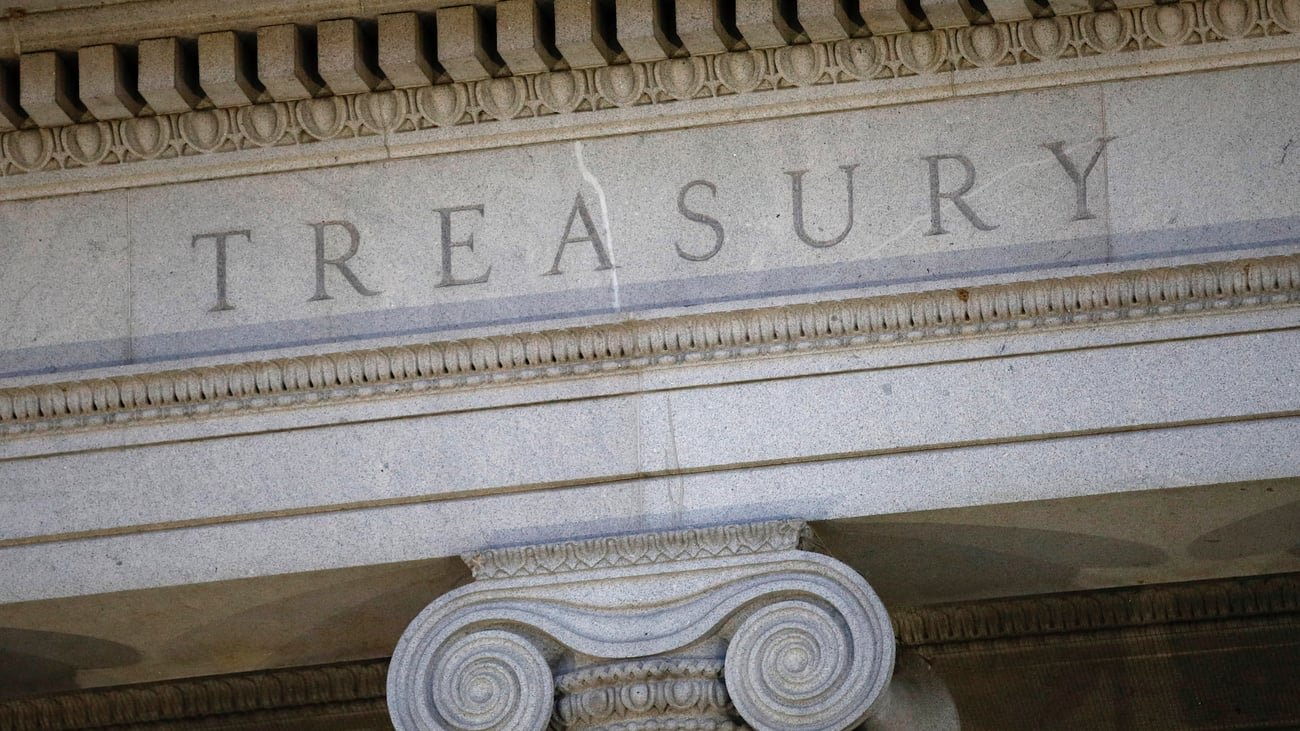
RIO DE JANEIRO (CN) – The U.S. Treasury Department on Wednesday imposed sanctions on two Brazilians, three Brazilian companies and a Portuguese company accused of participating in a money laundering network linked to Primeiro Comando da Capital, one of Brazil’s largest criminal organizations.
The crackdown comes weeks after the Trump administration began treating the group as a terrorist organization. In a statement, the US government said PCC poses a growing threat to US national security and described it as the largest transnational criminal organization in the Western Hemisphere.
The sanctions target Victor Henrique de Oliveira Shimada and Stella Stefanie Nunes Henrique de Oliveira. The Brazilian companies Victory Trading Intermediação de Negócios Cobranças e Tecnologia, Pixwave Soluções de Ação and Wave Construções Inteligentes as well as the Portuguese company Avenidas Flutuantes Unipessoal were also placed on the US sanctions list.
According to the Treasury Department, the four companies were owned, controlled or managed by Shimada or acted on his behalf.
The Treasury Department said the network operated between Florida and São Paulo to launder drug trafficking proceeds and send money to PCC in Brazil. The department said Shimada and his organization laundered more than $30 million generated in U.S. cities and used cryptocurrencies to transfer the funds to Brazil.
Shimada’s name has appeared in Brazilian money laundering investigations since 2024.
According to Brazilian media, he was charged by the São Paulo prosecutor’s office in a case involving the alleged diversion of funds from a sponsorship deal between a soccer club and a betting company. The investigation does not accuse him of being a PCC member.
Nunes Henrique de Oliveira, described by the Treasury Department as Shimada’s relative and close confidant, allegedly worked as his secretary and brokered bulk cash collections and provided logistical support for the money laundering operations.
Under the sanctions, all property rights and interests of the targets located in the United States or under American control will be blocked. American companies are also banned from doing business with them.
Diego Nunes, professor of criminal law at the Federal University of Santa Catarina, said the sanctions had no direct legal effect in Brazil because they were a unilateral measure by the United States and not the result of cooperation between the two countries.
“The main problem is the discrepancy between these legal systems,” Nunes said.
Nunes said Brazil and the United States have traditionally worked together to combat organized crime through law enforcement and judicial channels. However, US President Donald Trump’s designation of the PCC as a terrorist organization shifted the issue towards a national security framework that has no direct equivalent in the legal treatment of organized criminal groups in Brazil.
Fabrício Polido, associate professor of international law at the Federal University of Minas Gerais and partner at LO Baptista Advogados, said the sanctions would take effect immediately in the United States but not by themselves in Brazil.
Any criminal consequences in Brazil would require Brazilian authorities to investigate the matter under domestic law, he said. This could include money laundering, organized crime or financial crime, but it would not automatically happen because someone was placed on a US sanctions list.
The more immediate effect in Brazil, Polido said, is financial. Banks and companies that conduct dollar transactions, have ties to U.S. institutions, or work with partners exposed to the U.S. financial system are likely to treat the sanctioned individuals and companies as high-risk customers or counterparties.
He said the main risk was secondary sanctions: Foreign financial institutions, including Brazilian ones, could be penalized or lose access to the U.S. financial system if they knowingly facilitate significant transactions with sanctioned individuals or companies.
Polido said the case was the first test of the new US sanctions framework for Brazilians following the designation of PCC and Comando Vermelho as terrorist organizations.
“The approximately $30 million allegedly laundered is marginal compared to the systemic impact of the precedent,” he said, noting widespread implications for banks, corporations and other institutions exposed to the U.S. financial system.
Dennis Pacheco, a researcher at the National Institute on Violence, Power and Public Security, said money laundering has become increasingly central to PCC as the group has expanded its operations and moved more of its operations across borders.
He also criticized Trump’s use of unilateral sanctions. Pacheco said broad definitions of ties to organized crime groups could impact institutions or companies that do not have a direct connection to the PCC and reduce the international cooperation needed to combat money laundering.
The Treasury Department said the sanctions were the result of an investigation led by a homeland security task force that also included the FBI’s Miami field office and the U.S. Department of Justice.
In January, six people linked to the network’s activities in Florida were arrested by the FBI and charged with money laundering in federal court in the Southern District of Florida. The new sanctions target what the Finance Ministry says is the São Paulo-based side of the operation.
This is the Treasury Department’s third lawsuit against PCC. The group was first sanctioned in 2021 for involvement in international drug trafficking. In 2024, the Ministry of Finance also imposed sanctions on Diego Macedo Gonçalves do Carmo, described as a financial actor in the organization.
Brazil’s government had already criticized the classification of PCC and Comando Vermelho as terrorist organizations.
At the time, President Luiz Inácio Lula da Silva’s government said the groups use terror tactics in the communities where they operate, but that they are for-profit criminal organizations that operate primarily in the drug and arms trade.
The Brazilian government also said unilateral measures could weaken cooperation against organized crime and argued that Brazilian institutions should decide how crimes are classified and treated in the country.
In a statement to Courthouse News, Brazil’s Justice Ministry criticized unilateral sanctions imposed outside the channels of international legal cooperation.
It said the decision was not unexpected after the US designated the PCC as a foreign terrorist organization, but warned that unilateral action could lead to more serious steps outside of usual cooperation mechanisms.
The ministry said Brazil has the legal tools and institutional capacity to fight organized crime, citing a multibillion-dollar plan and a new law aimed at territorial and economic control of criminal organizations.
Brazil’s foreign ministry declined to comment on the sanctions, saying it was not a foreign policy matter.
Courthouse News reporter Marília Marasciulo lives in Brazil.
Table of Contents
Subscribe to our free newsletter
Our weekly newsletter Closing arguments provides the latest on ongoing trials, major litigation and verdicts in courthouses across the United States and around the world Under the lights clears up the legal mess from Hollywood, sports, big tech and art.
https://www.courthousenews.com/us-sanctions-brazilians-accused-of-laundering-money-for-crime-group/
