

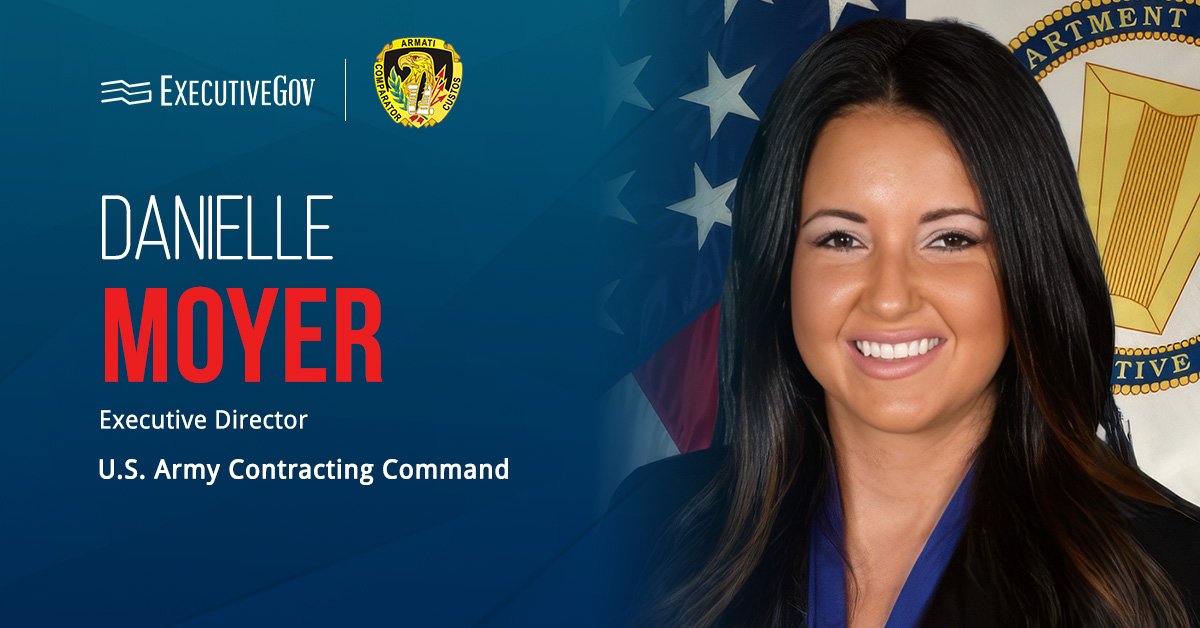
- According to ACC Executive Director Danielle Moyer, the U.S. Army Contracting Command is leading initiatives to reform the industry’s software procurement infrastructure
- Moyer cited challenges including different contracts for identical products and the lack of a specific pricing framework
- The ACC plans to consolidate repeat software purchase contracts as one of the solutions to its procurement problems
The U.S. Army is seeking changes to its contracting approach to address speed and efficiency challenges in software procurement stemming from outdated procurement practices, Danielle Moyer, executive director of Army Contracting Command, said during a Dcode session covered by GovCIO Media & Research.
Moyer said the command is focused on improving the way software is purchased by consolidating contracts, adjusting contracting approaches and exploring new pricing strategies to create a more effective acquisition model.
Table of Contents
What are the challenges in software procurement for the Army?
One of the Army’s biggest software procurement challenges is the fragmented way commercial software purchases are managed across the service. Moyer explained that the Army often purchases identical commercial software products through numerous separate contracts, sometimes numbering dozens or hundreds, making it more difficult to track spending and limiting the Army’s ability to negotiate more favorable terms. She cited Oracle as an example, noting that the ACC found 109 separate trademark justification and approval documents associated with individual Oracle software purchases from various Army organizations.
Moyer also noted that many of the Army’s existing procurement tools are not suitable for commercial software purchases. Although the Service has implemented digital procurement marketplaces, some of these platforms still rely on multi-award, indefinite-delivery/indefinite-quantity contracts that require tendering for each individual purchase. Moyer said this approach can create additional hurdles and limit commanders’ ability to acquire software with the same speed and ease possible through commercial purchasing platforms.
Regarding pricing, Moyer explained that contracting officials do not have specific guidance for pricing commercial software or evaluating software work categories because the Federal Acquisition Regulation does not provide a specific framework for software purchases. As a result, cost assessments can become complicated when comparing specialized software experts with broader IT staff, leading to disagreements that can delay contracting for new skills.
Moyer emphasized that the government’s evaluation process does not always take into account the expertise required for specific software roles, leading to a discrepancy between industry pricing models and government evaluations. She added that contract executives often manage hundreds of acquisition efforts annually across a wide range of technology areas, limiting the ability to develop deep expertise for each specialized software market.
What efforts is the ACC making to improve software procurement?
As part of the updated approach, ACC is examining ways to optimize software procurement activities and reduce inefficiencies associated with existing contract structures.
Instead of maintaining separate contracts for the same software products with different licensing terms and pricing agreements, the Army is moving toward greater enterprise-level contract consolidation for commonly purchased commercial software. Moyer said the effort is aimed at creating a more coordinated acquisition approach by making repeat software purchases under consolidated agreements.
To improve commercial software procurement tools, the ACC is developing a smart contract tool that will lay the foundation for a more centralized and data-driven software procurement model.
With respect to pricing models, the command is exploring outcome and value-based pricing models that focus on the operational benefits a technology provides, rather than just examining the underlying cost components. Moyer emphasized that acquisition officials should consider the value a capability provides, including whether a new technology can replace multiple existing tools or significantly improve mission efficiency. As an example of the type of performance improvement that should influence procurement decisions, she highlighted next-generation command software that reduced the time required to complete a task from 17 minutes to less than a minute.
Moyer noted that adopting this approach requires more than just policy changes and requires training contract staff to evaluate technology purchases from a value-based perspective.
https://www.executivegov.com/articles/army-software-acquisition-contracting-reform-moyer
