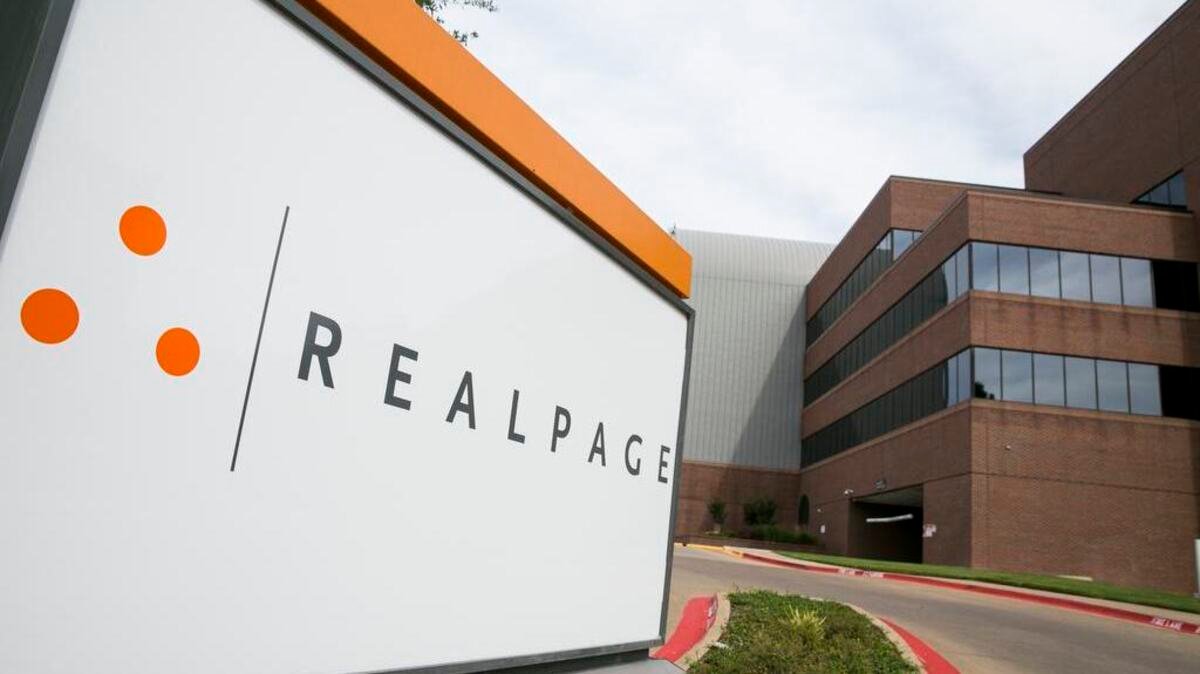
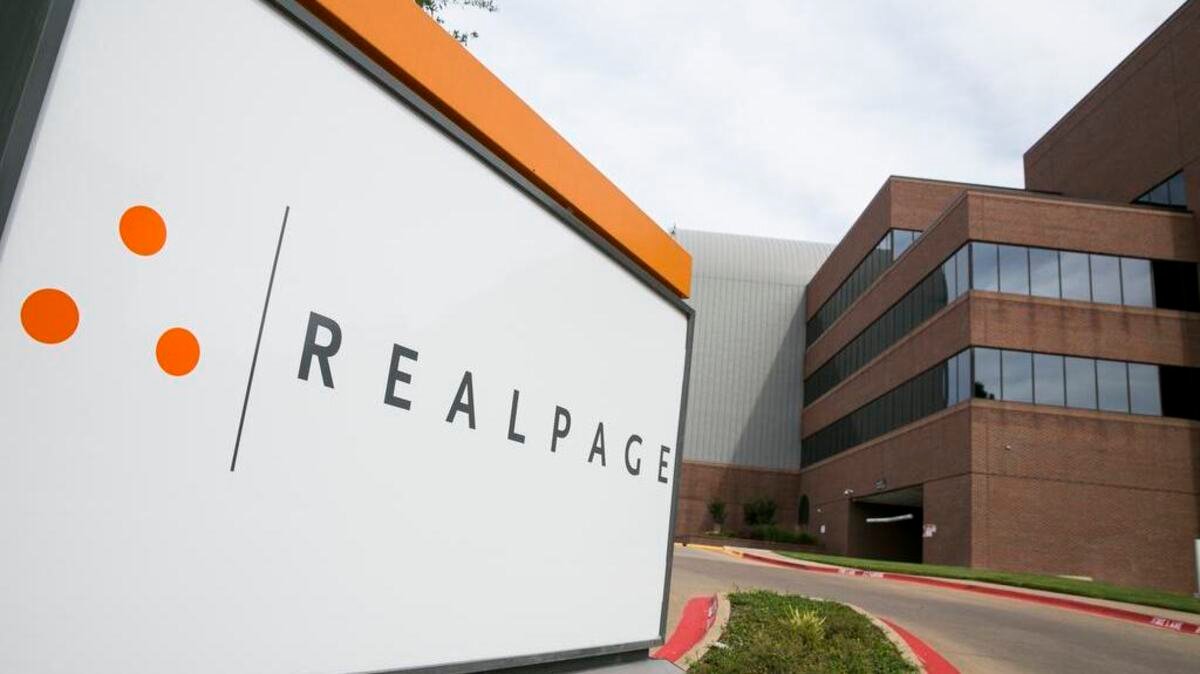
A logo sign outside RealPage’s headquarters in Richardson, Texas.
Kick USA
Tenants across Washington are under pressure, and they deserve leaders who will take it seriously. But as Bellingham considers a ballot measure to ban algorithmic rental software, well-meaning city officials risk making the problem worse.
Bellingham’s Initiative 26-01, which would ban landlords from using algorithmic rental software, has now qualified for the vote. Community First Whatcom, the group behind the measure, submitted about 5,700 signatures and the Whatcom County Auditor’s Office confirmed the count on July 2. That puts the decision in the hands of the Bellingham City Council: Members have until July 27 to adopt the initiative outright, send it to voters in November, or reject it and propose their own alternative measure. If the local council does not make a decision within this period, the initiative will automatically be put to a vote.
It is legitimate to be concerned that corporate landlords have too much power over tenants. This is a real concern and deserves careful consideration. But banning software that tells them what the rental market currently has to offer does not address this concern. Only one tool is left out, and landlords can set the prices themselves with the same motivation as always.
Bellingham’s proposal does not include building a single new apartment or reducing a single rent check. It simply replaces the software with the gut feeling of a leasing agent guessing the same numbers with less data and less responsibility.
What this software actually does is completely normal: it looks at vacancies, seasonal trends and local demand and adjusts rental recommendations accordingly. One widely cited study found that landlords who adopted this type of pricing software during the 2009-2010 recession actually reduced rents and occupied more apartments than comparable landlords who did not.
None of this means the affordability crisis in Washington isn’t real — it is. Rents here are well above the national average, and lawmakers themselves have said the state needs more than a million new apartments by 2044 to keep up with demand. This crisis deserves real solutions, not a symbolic ban on software that has nothing to do with why housing is scarce in the first place.
Washington lawmakers have actually been leaders in this regard. Last year, lawmakers passed HB 1217, capping annual rent increases statewide and giving renters new protections from utility fees and short-term terminations. In 2023, it passed HB 1110, legalizing two-family, three-family, and four-family homes in neighborhoods that previously only allowed single-family homes—a true supply-side response to a supply crisis. Both were the right decisions and both deserve to be built upon and not overshadowed.
The ban on rental pricing software does not fit this pattern. This does not put a single home on the market and does not reduce a single family’s rental costs. If anything, there is a danger that officials will claim they have “done something” to improve affordability when the real work—approving reforms, zoning, construction costs, and further enforcing illegal price-fixing—still lies ahead.
Whatever the Bellingham City Council decides, tenants deserve honesty. And the truth is, this vote won’t lower anyone’s rent. Building more houses and enforcing the laws that already exist will lead to this.
Kevin Van Dewege served in the Washington State Legislature for 18 years, in the Senate from 2017 to 2024 and in the House of Representatives from 2007 to 2017. His former electoral district covers the northern part of the Olympic Peninsula.
https://www.bellinghamherald.com/opinion/article316676204.html
