A photo of an injured dog on the side of the road. A dating profile with pictures that look almost too perfect. A fundraising appeal shows a family stranded on a roof after flooding.
Scammers are already using AI-generated images to support fake stories, build trust and convince people to send money or share personal information.
Instead of asking whether an image looks real, it is better to ask whether there is evidence that it is real.
Table of Contents
What you actually need to know
You can no longer reliably recognize AI images by eye. Advice like “count your fingers” or “look for garbled text” is outdated because today’s AI image generators usually capture these details correctly.
Instead of looking closer, examine the image and be skeptical of the story surrounding it.
- Distrust the situation, not just the image. These scams rely on urgency and emotion to get you to act before you’ve had time to think.
- Check whether the image has appeared before. A reverse image search takes seconds and can often reveal where the image really came from.
- Use an official verification tool if it matters. Google’s Gemini app can search for AI watermarks and provenance data. It’s not foolproof, but it does provide useful evidence.
If an image is used to ask for money or personal information, do not consider it evidence until you have verified it.
Common AI image scams
In any case, the image serves to make the request for money more credible.
Fake lost pets
Scammers post AI-generated photos of animals in distress in local groups before asking for “rehoming fees” or other payments. Because the image was created and not stolen, a reverse image search may not reveal an original source.
“I found your pet”
Scammers target people looking for a missing pet, send them an AI-generated photo and then demand a reward or deposit before disappearing.
Dating profiles
Photos that are flawless and consistent from every angle because they never represent a real person. A video call helps, but is not proof. Modern real-time deepfakes pass simple tests like holding up your fingers in front of the camera. Instead, ask him for something unexpected, such as: Such as turning your head or picking up any object, and be wary of anyone who refuses to attend a call at all.
FI am an artistS
An AI-generated portfolio presented as an original work on X, Instagram or Fiverr to win paid commissions. Sometimes the scammer disappears after making a deposit. In other cases, they deliver a “finished” piece that turns out to be AI-generated and not the original artwork the buyer paid for. A real artist can usually show sketches, layered files, or images in progress. Someone using an AI-generated portfolio cannot do that.
Fake fundraising appeals
In addition to real disasters, fictional images of sick children, injured animals or families in need are often shared to encourage donations or simply to attract attention. Some show people who don’t exist at all. The more emotional the image, the less likely people are to stop and check it out.
Why visual cues are no longer enough
Detecting a forgery used to mean detecting edits, such as a repeating background, a shadow in the wrong place, or artifacts around an inserted object. This worked because manipulated images usually started with a real photo and left clues.
AI-generated images are different. They are created from scratch and do not have an original image underneath, so such editing errors often do not occur.
Visual clues are still worth a look. Look for irregular jewelry, unusual lighting, distorted reflections, or unusual movement in the video. But don’t assume an image is real just because you can’t see anything fake.
How to check if an image is AI generated
Reverse image search
Google Lens, TinEye and Bing Visual Search can often detect where an image first appeared online.
No matches do not necessarily mean an image is fake. Personal photos and newly published images often don’t appear anywhere else. But when someone claims an image has been circulating for days or is from a widely publicized event, the complete lack of history is questionable.
Provenance tools
Some images contain information about where they came from or whether AI was used to create them.
The two most common types of provenance information are:
- Content Credentials (C2PA): Records information about how an image was created or edited. It is supported by companies like Adobe, Google, Microsoft and Sony.
- SynthID: Google’s invisible watermark is embedded in supported AI-generated images. It now also covers images created through a partnership with ChatGPT and DALL·E announced in 2026.
Verification tools like the Gemini app or OpenAI Verify look for this information to determine whether an image was created using AI.
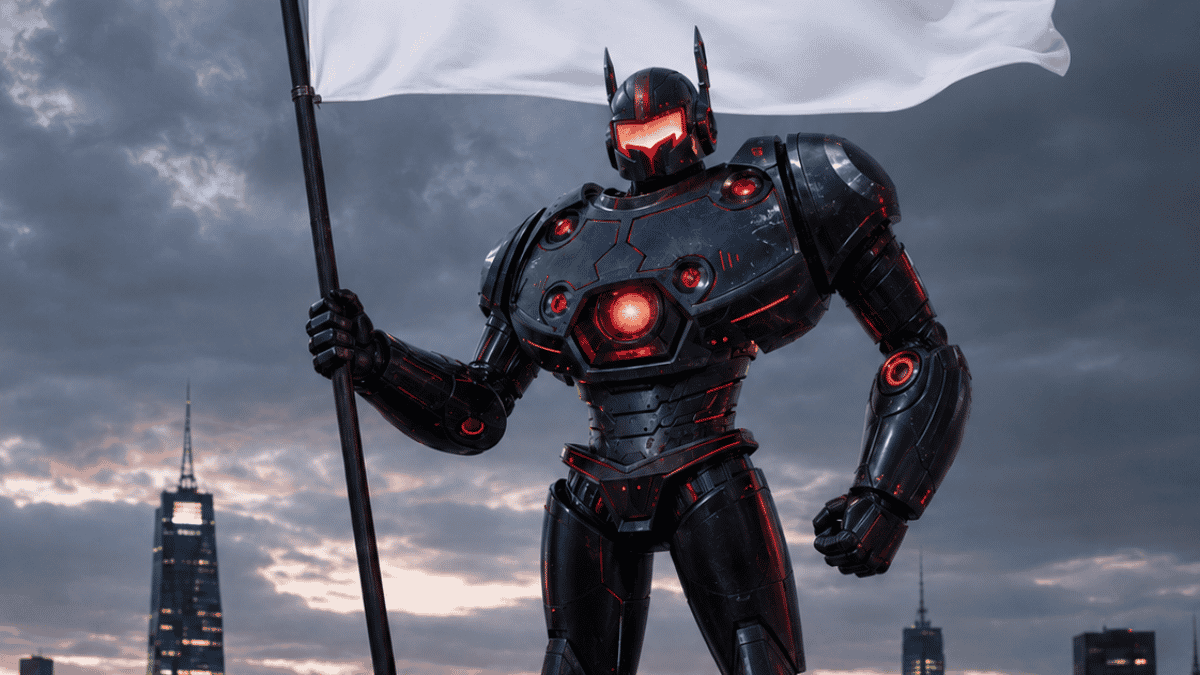
We created an AI-generated image and verified it with OpenAI Verify.
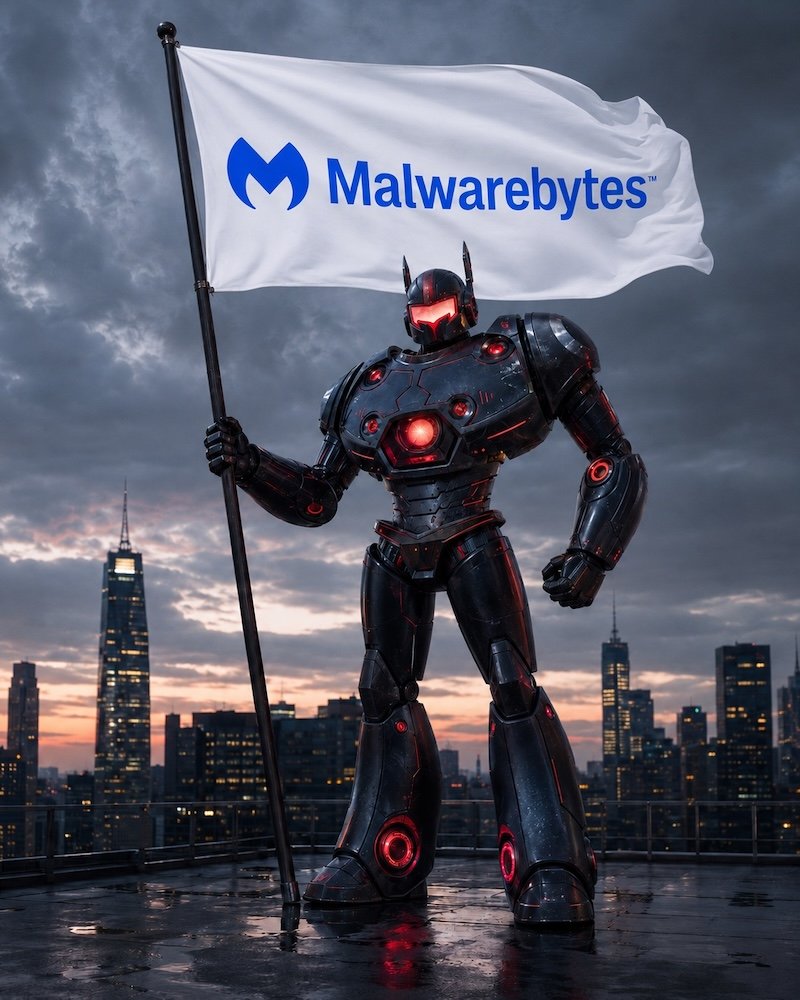
OpenAI Verify correctly identified it as AI generated.
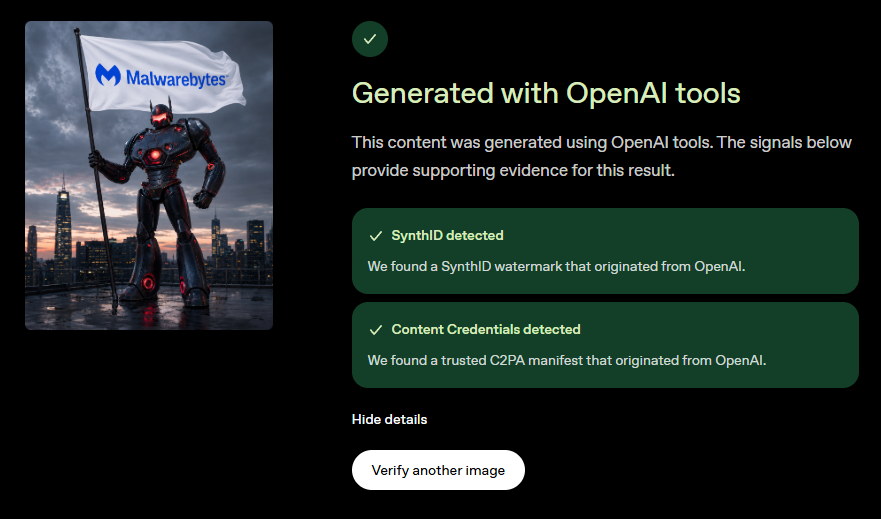
Note: If no watermark is found, it does not mean the image is real. It just means that no watermark was detected.
Where these controls are inadequate
- Messaging apps remove evidence. WhatsApp, iMessage and Facebook re-encode images upon upload and often remove embedded credentials. That’s one of the reasons pixel-based SynthID watermarking is useful: it can survive changes that remove metadata.
- “Not found” is the most commonly misunderstood result. Most real photos do not contain provenance information. A result that says no watermark or credentials were found does not mean the image is real. It just means that no signal was detected.
- A valid ID proves the pipeline, not the truth. It confirms which device or app created the file and when, but not that what is shown actually happened. For example, someone could photograph a screen playing a deepfake video. The ID would be completely valid since the camera actually took that picture. It simply cannot be said that the content on the screen is fake.
- Some “SynthID detector” sites are misleading. Reading the actual SynthID watermark requires technology that only Google and its approved partners have access to. This means that only official tools such as Google’s own apps and OpenAI Verify can verify this directly. Third-party sites that use the “SynthID” name typically estimate whether an image is AI-generated and do not read the actual watermark.
If you think you have been caught by an AI image scam
- Save screenshots of profile, pictures and messages before they disappear.
- Run the image through a reverse image search and, if possible, an official AI verification tool.
- If you have shared financial information, contact your bank immediately and change any passwords you have reused elsewhere.
- Stop sending money. Don’t make “one more” payment hoping to get back what you’ve already lost.
- Report the account to the platform and your national fraud reporting service, e.g. B. the FTC in the USA or Report Fraud in the UK.
- If necessary, warn other members of the same community. Many of these scams spread through trusted groups and personal recommendations.
The end result
A picture used to be reasonable evidence that something happened. That is no longer the case. A compelling original image can now be created in seconds without the need to trace back history.
The good news is that verification tools are becoming easier to use. They’re not perfect, but the habit of skepticism, reverse image search, and official verification tools is far more reliable than trying to spot visual errors.
Check the source, resist urgency, and don’t be distracted by an image.
| Tool | Checks |
|---|---|
| Gemini (upload the image to the Gemini app, Google Search or Chrome and ask if it was created with AI) | SynthID watermarks and content credentials |
| Google SynthID detector | SynthID watermarks in images, video and audio |
| OpenAI verification | SynthID and content credentials in ChatGPT, DALL·E, and API-generated content |
| Reverse image search with Google Lens / TinEye / Bing Visual Search | Check the image against copies online to see where else it appears |
How should the results be interpreted?
- Watermark found: The file was generated using a supported AI system.
- No watermark found: No signal was detected. This is the normal result for most original photos, but does not preclude the use of AI.
- Content credentials found: The file contains provenance information about how it was created or edited. This helps establish the origin, but does not prove that the scene itself is real.
Stop threats before they can cause harm.
Malwarebytes Browser Guard automatically blocks phishing pages and malicious websites. Free, just one click to install. Add it to your browser →
https://www.malwarebytes.com/blog/ai/2026/07/how-to-tell-if-an-image-is-ai-generated
