The Theodore Roosevelt Presidential Library opens to the public on July 4th.
He led the Rough Riders, became the youngest US president and inspired the teddy bear – but Theodore Roosevelt probably never imagined such a thing. His new presidential library will give visitors a new insight into history and even give them the opportunity to chat with a life-like version of himself.
The nondescript building in Medora, North Dakota, is covered in native grasses and features skylights that provide most of the light. But in addition to the expected replicas of the Presidential Mansion and White House, the Theodore Roosevelt Presidential Library, which opens to the public on July 4, is designed as an AI-powered “living library.”
A system that organizes and reconstructs hundreds of thousands of historical documents will allow visitors – both onsite and online – to search, explore and interact with the frontier legend and his writings in entirely new ways.
“This is a technologically forward-looking way to present information and help people explore Theodore Roosevelt’s legacy and learn from some of the things he experienced throughout his life,” said Laura Hoffman, senior director of Microsoft’s AI For Good Lab.
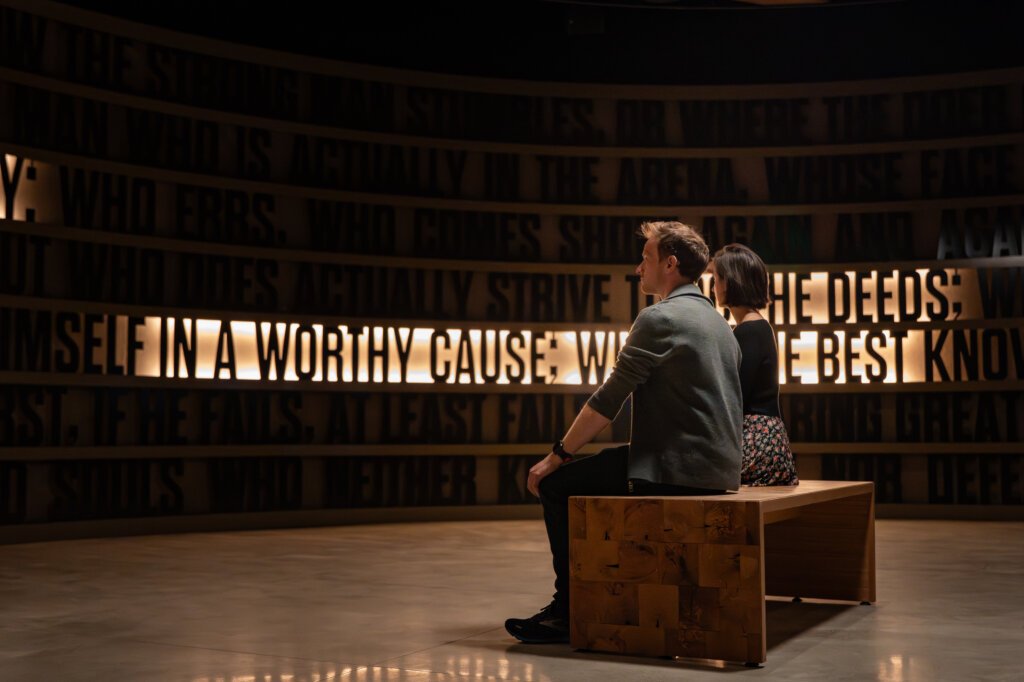 Arena exhibit at the Theodore Roosevelt Presidential Library
Microsoft helped develop the technology that powers the backbone of the museum’s knowledge base, called Box 1. Archivists uploaded hundreds of thousands of archival documents to Box 1, using AI to organize, enrich, and reconstruct fragmented materials into searchable, contextualized historical records.
“Theodore Roosevelt left one of the richest written records of any American president, and for more than a century they resided in 32 separate collections at 18 institutions – readable only by those who had access to the archives and knew where to look,” said Matt Briney, the library’s chief communications officer.
These recordings will support the Campfire Reading Room, an AI-powered digital research tool that allows anyone around the world to search Roosevelt’s writings, letters, images and historical materials.
“Combining this record with AI changes the possibilities,” says Briney. “Now anyone can ask a question in everyday language and get the actual Roosevelt documents in response.”
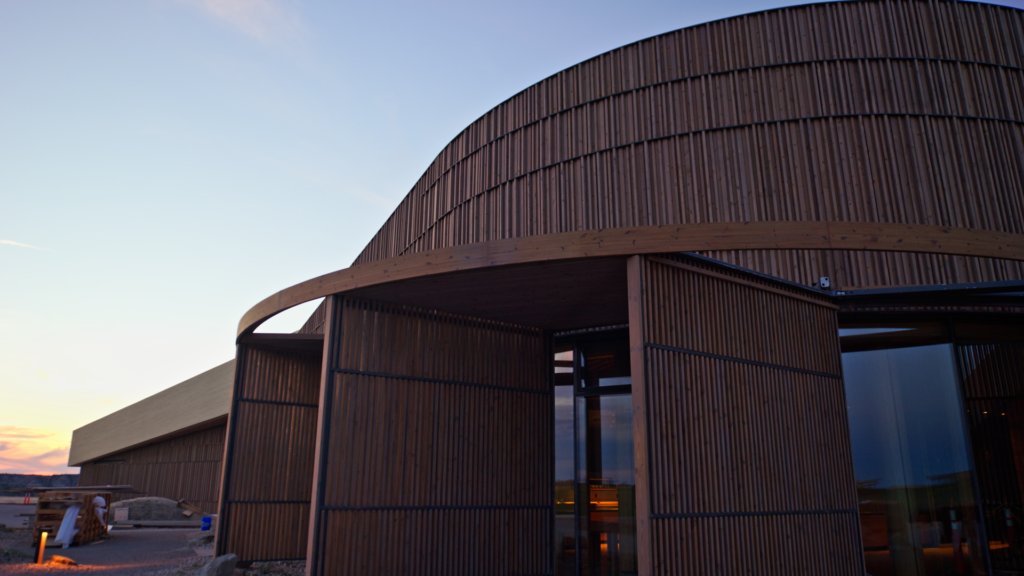 The new library building in Medora, North Dakota.
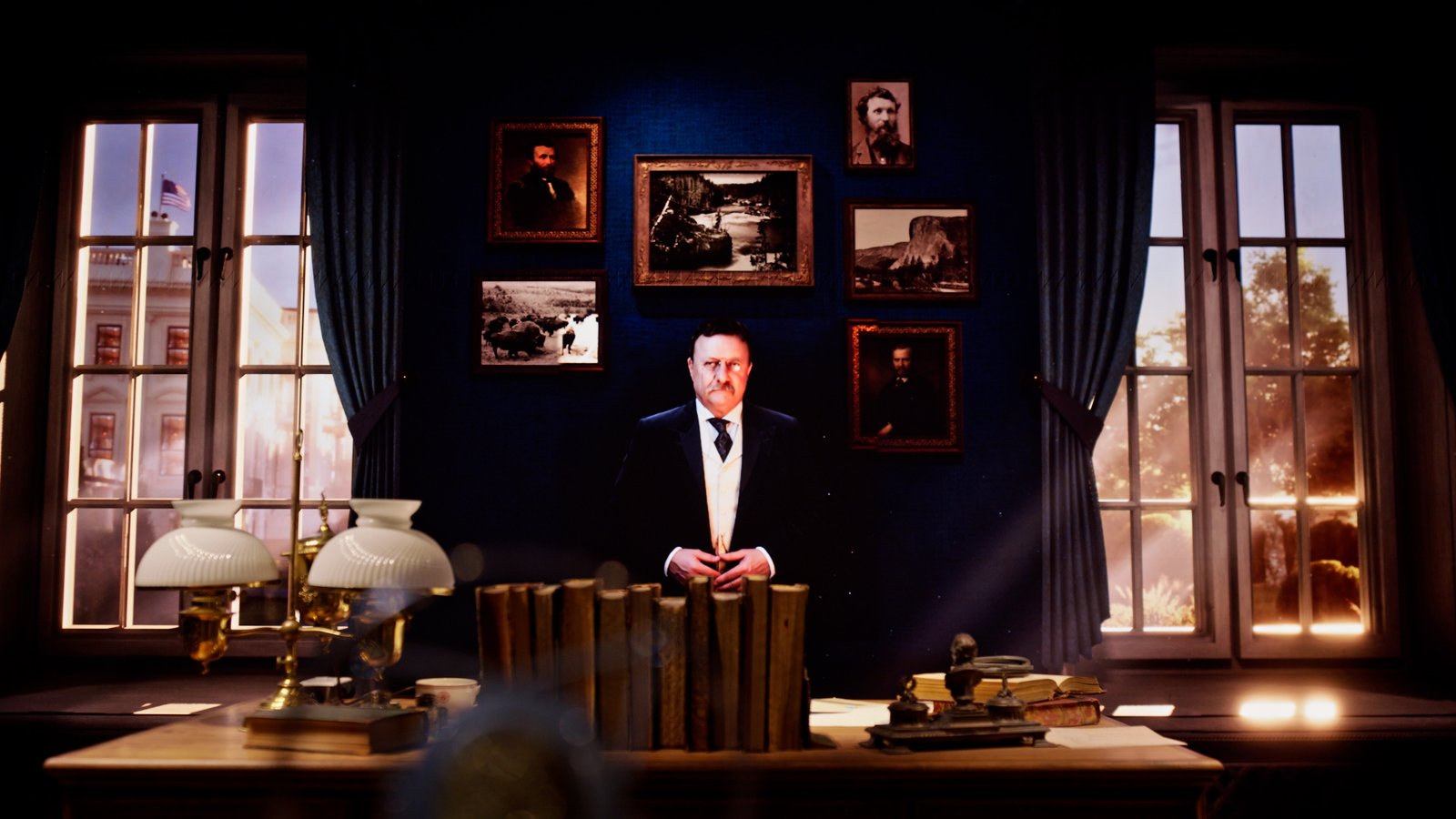
Box 1 is also the foundation for an immersive, personal experience in the new library. Visitors can chat with an AI-powered avatar of Roosevelt and ask questions about his experiences, leadership philosophy and legacy.
In late June, when a senator was introduced to the avatar, the digital Roosevelt even joked: “This office is a place for people who tell the truth… and for senators too.”
Hoffman says the avatar’s humor is a good example of how they tried to capture Roosevelt’s personality in the digital recreation. She says that even if the virtual Roosevelt wouldn’t know the name of a current senator, he could make a joke about politicians that would still be funny to the modern visitor.
Contact with people was considered one of Roosevelt’s great skills throughout his life.
“That was really impressive about who he was and how he built relationships across the aisle and in difficult situations,” she says. “He really relied on that and we really wanted to convey that.”
Hoffman says they made sure to put safety protocols in place to keep the conversations PG-rated because they’re meant to be an experience for people of all ages. The virtual Roosevelt will decline and redirect the conversation when asked about something taboo.
As a leading technology partner, Microsoft has donated much of its work to TRPL through its AI For Good Lab. The result is an approach that can also be used for other cultural institutions in the future. The company plans to publish a paper documenting exactly how the technology works and to open source the software used in the project.
As technology evolves, the library will also evolve. As more documents are added to Box 1 or the generative AI improves, the Roosevelt avatar will automatically update with the additional context.
“That’s why we call it a living library,” Hoffman says. “One of the biggest challenges for cultural institutions is ensuring their experiences continue to feel relevant and fresh. That’s the great thing about AI technology: it will only get better.”
Find out more about the Theodore Roosevelt Presidential Library.
Mission statement: Theodore Roosevelt avatar in the Theodore Roosevelt Presidential Library. All photos courtesy of Theodore Roosevelt Presidential Library.
Samantha Kubota covers all things AI and innovation for Microsoft Signal, with a current focus on how AI agents are reshaping everyday work, Microsoft’s research breakthroughs, and responsible use of new technologies. Before Microsoft, Kubota was a journalist at NBC News. Follow her on LinkedIn.
https://news.microsoft.com/signal/articles/ai-theodore-roosevelt-presidential-library/
