“It’s crazy,” said state Sen. Kate Lieber (D-Portland), co-chair of the Joint Ways and Means Committee, which writes the state budget.
Lieber said the Legislature actually provided a little more than Gov. Tina Kotek requested in her 2025 budget, but that wasn’t nearly enough to begin rebuilding the fund.
The state used to be more prudent. Records show that in 2015, assets generally equaled liabilities. As of 2019, the insurance fund had assets equal to about two-thirds of its expected liabilities (each state agency pays an annual assessment to DAS, which invests the proceeds with the Oregon State Treasury).
Kotek warned lawmakers ahead of the 2021 session that the situation was serious, noting in her budget message: “A significant increase in risk fees from 2023 to 2025 levels is needed to prevent assets from falling to zero and bankrupting the fund.” But a slight increase in funding didn’t make much of a difference.
Unlike other state liabilities such as the Public Employees Retirement System (approximately $29 billion in the red) or large assets such as the Rainy Day Fund (approximately $2 billion) and the Education Stability Fund (approximately $1 billion), the State Self-Insurance Fund is neither particularly transparent nor well understood by many lawmakers.
In 2025, Senator Sara Gelser Blouin (D-Corvallis), Senator Suzanne Weber (R-Tillamook), and Representative Werner Reschke (R-Malin) sponsored Senate Bill 463, which would require DAS to publish insurance fund financial statements annually. The first report, filed in January, is bleak.
“The main reasons for the deteriorating situation of the insurance fund are twofold,” the report said. “Firstly, the insurance fund was not funded at the level recommended by independent actuaries… the second reason for the deterioration in health is a dramatic increase in payouts.”
The report on those payouts contains some startling details: Over the past two years, the state paid out 37 claims worth more than $1 million each, almost all from general liability. Total distributions increased from $134 million in the 2019-21 biennium to $330 million in 2023-25, an increase of 146%.
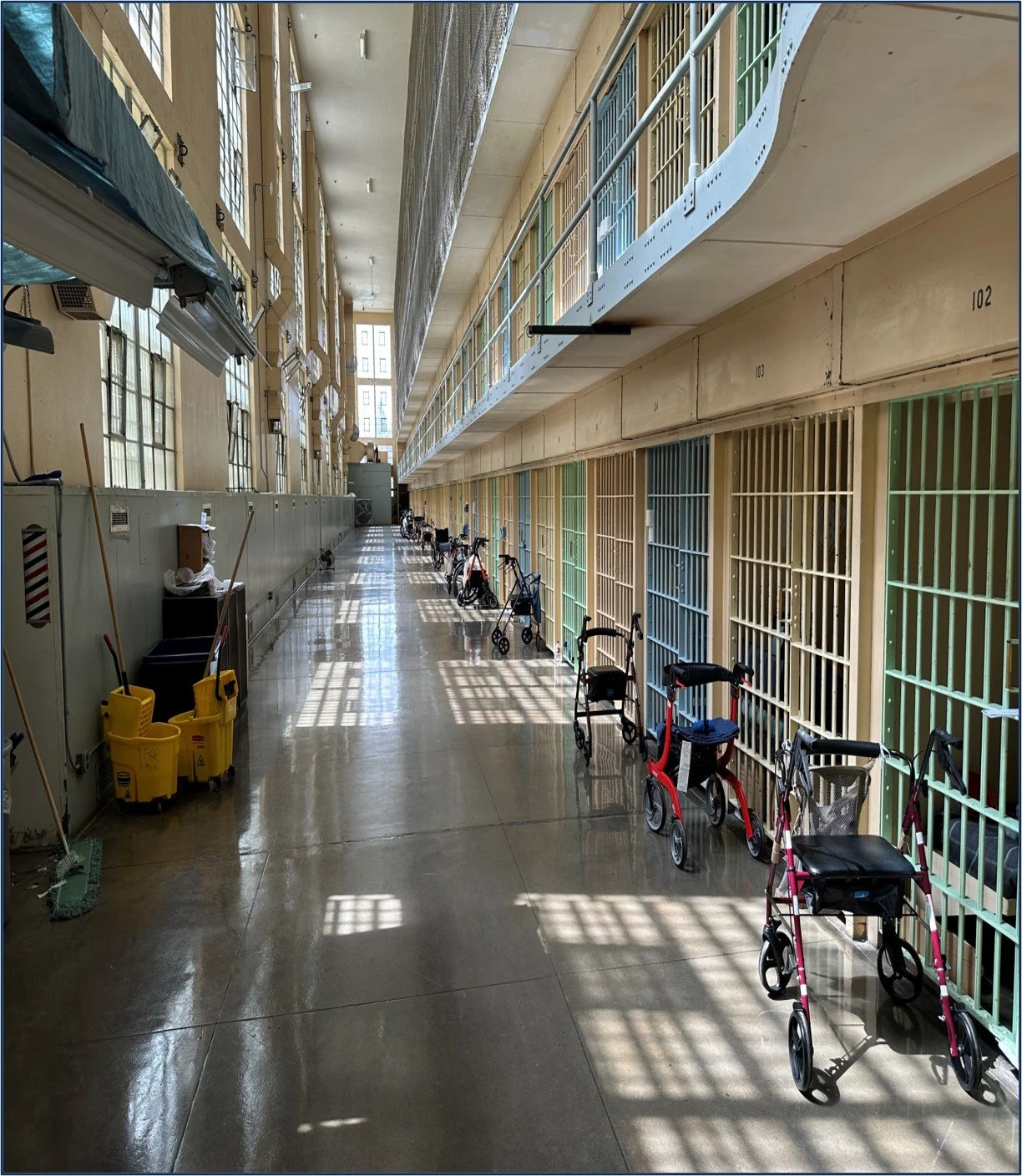
The corrections department, which houses 12,000 inmates, pays the highest rate of taxes to the insurance fund, a reflection of the large number of claims it faces.
Agency spokeswoman Amber Campbell attributed rising liability costs to an aging and less healthy inmate population. “These trends have led to an increase in complaints and, in some cases, litigation and settlements,” Campbell said.
The Department of Corrections’ amount for the insurance fund increased from $38.9 million in 2023-25 to $92.3 million in the current budget cycle – a 137% increase.
In fact, rising liability costs act like a hidden tax on services, reducing the amount of money agencies have to spend on other things.
DAS spokeswoman Bryanna Duke attributes the skyrocketing payouts to a number of factors: more claims and lawsuits; higher medical costs; higher liability caps (which rise with inflation); and the growing number of cases filed in federal court that do not have caps. And of course COVID, which contributed not only to the record-breaking settlement by the Department of Corrections, but also to an explosion in workers’ compensation cases.
Sen. Gelser Blouin said the rising costs raise questions about policies and training, particularly among correctional and social service agencies, which bear the largest liabilities.
“One of the reasons I was interested in more disclosure and more real-time information is because it typically highlights a failure of an agency and the risks and costs of how it operates,” Gelser Blouin said.
Kotek spokesman Luke Harkins said the governor remains concerned about the fund’s finances.
“The governor takes the stability of the venture fund seriously,” Harkins said. “Oregonians deserve a government that is both responsive and fiscally prudent.”
But state Sen. Christine Drazan (R-Canby), Kotek’s opponent in November, said Kotek should have pushed harder to increase the fund. Drazan said the record billing shows the need for greater accountability.
“The government can’t prevent every lawsuit, but it can do a much better job of preventing costly mistakes,” Drazan told OJP. “Oregonians are tired of paying for government failures. Every dollar spent on avoidable lawsuits is a dollar we cannot spend on safer communities, better schools or supporting the people who really need it.”
https://www.oregonjournalismproject.org/massive-prison-payout-highlights-dismal-financial-picture-for-state-insurance-fund
