

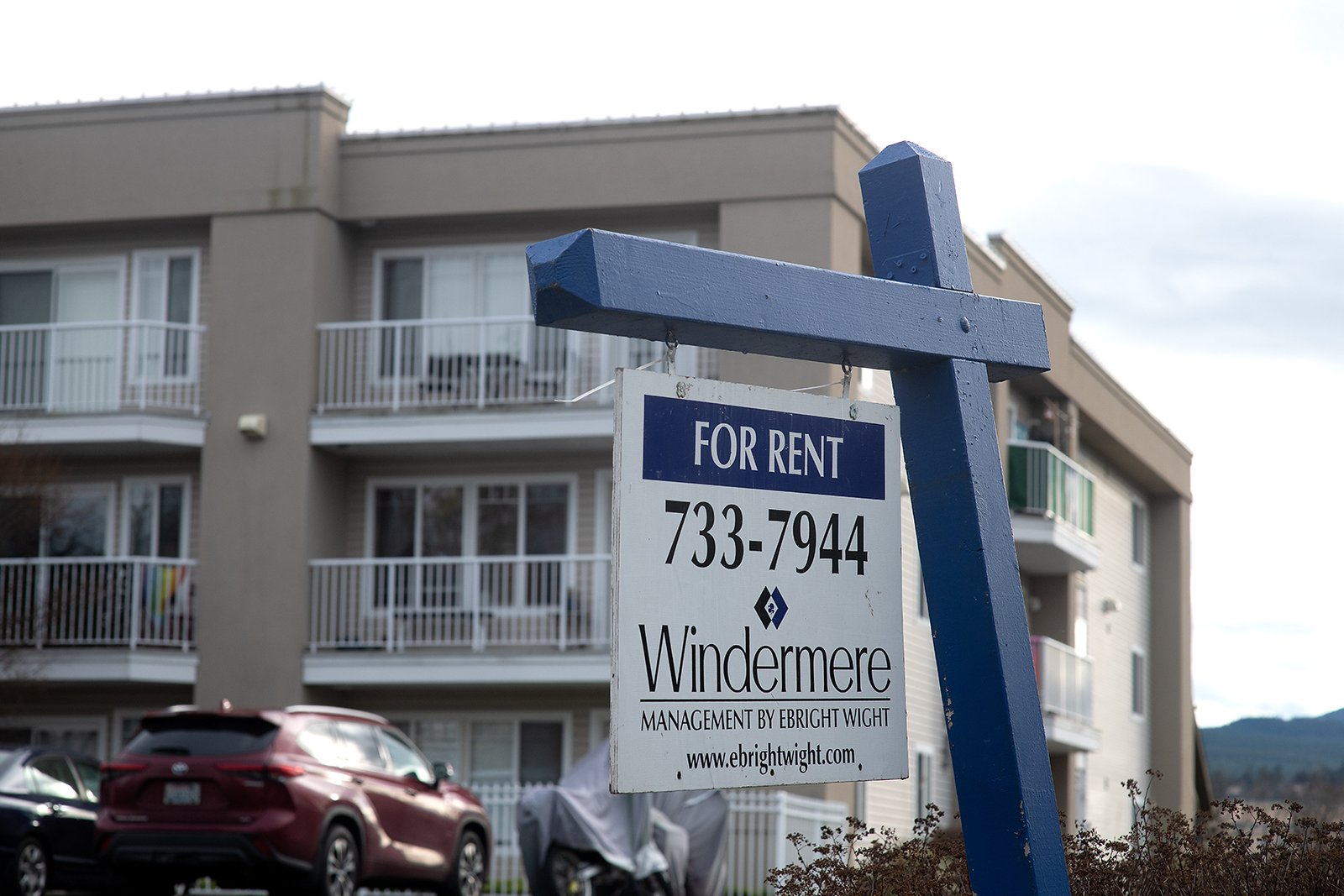
For years, the rising cost of housing in Bellingham has put pressure on renters. Over the last decade, rents in Bellingham have risen more than 27% faster than most other American cities, and now 56% of Bellingham renters are cost-burdened, spending more than 30% of their income on housing. Behind these statistics are real, hard-working families who spend an uncomfortably large portion of their budgets keeping a roof over their heads.
This is a big problem, and in response, local activists spent months collecting signatures for a ballot measure to ban pricing software. This is software that analyzes market data and helps housing providers make informed rental decisions. She often recommends rent reductions to reflect real-time market dynamics. However, organizers behind the initiative believe banning this software will slow the rise in housing costs in Bellingham, and they have submitted more than enough signatures to get their proposed ban on the November ballot.
Just one problem: While this is a well-intentioned campaign, it is still based on a fundamental misunderstanding of why housing costs have risen in Bellingham and many other cities.
Rents and property prices are high not because housing providers have tools to help them analyze market data; They are high because demand is high and supply is relatively low. That’s it. There is a huge gap between supply and demand, between the homes we have and the homes we need to accommodate our growing population. This gap is driving up housing costs and will continue to do so until we build enough homes and apartments to close it.
Will this cause a ban on pricing software? Other cities that have enacted similar bans have not had good results.
San Francisco, for example, banned pricing software two years ago, in October 2024. Since then, rents have increased by an average of $40 each month. In Austin, Texas, where pricing software remains legal and a large portion of the city’s housing providers use the software, rents have fallen each month over the same period. Additionally, the software likely helped accelerate these declines by allowing Austin housing providers to be more responsive to market conditions.
So what did Austin do differently? While San Francisco was distracted by headlines about software, Austin policymakers were busy reforming their zoning codes, building codes and other development regulations to allow for more homes and a greater variety of homes in their city. They focused on expanding housing supply and saw rents plummet; San Francisco and other cities have turned their attention to everything else and are seeing rents and real estate prices rise faster than ever before.
Fortunately, Bellingham’s elected leaders recognize that the root cause of the housing crisis is a lack of housing, and they are taking action to address that root cause.
For example, Mayor Kim Lund’s 2024 Housing Executive Order targeted many regulations that restrict housing construction and increase the cost of new homes and apartments. Their order streamlined the permitting process, eliminated costly parking minimums citywide and expanded options for “mid-level housing” — duplexes, triples, townhomes and accessory dwelling units — making them legal wherever single-family homes are legal.
These are all great first steps. But more needs to be done. Even though small home construction is now legal throughout Bellingham, the city maintains many regulations that make such projects economically unfeasible.
These regulations include strict caps on building heights and floor area that limit construction options, as well as mandatory minimum lot limits and unit sizes that drive up construction costs. Additionally, the city imposes costly inclusionary zoning regulations on new housing as small as five units, a policy that renowned housing expert and law professor Sara Bronin called a “hidden tax on real estate development.”
Taken together, these remaining regulations significantly weaken the impact of the recent reforms. Eliminating them — and allowing more mid-rise apartment buildings in more locations around the city — will go a long way toward closing Bellingham’s housing gap and reducing costs for renters and homebuyers alike. Banning pricing software won’t get you there. It may make political sense, but in the end it is a solution that does not solve anything.
Kevin Donnelly is Executive Director and Chief Advocacy Officer of the Real Estate Technology and Transformation Center based in Washington, DC
https://www.cascadiadaily.com/2026/jul/22/we-know-whats-pushing-rents-higher-it-isnt-pricing-software/
