

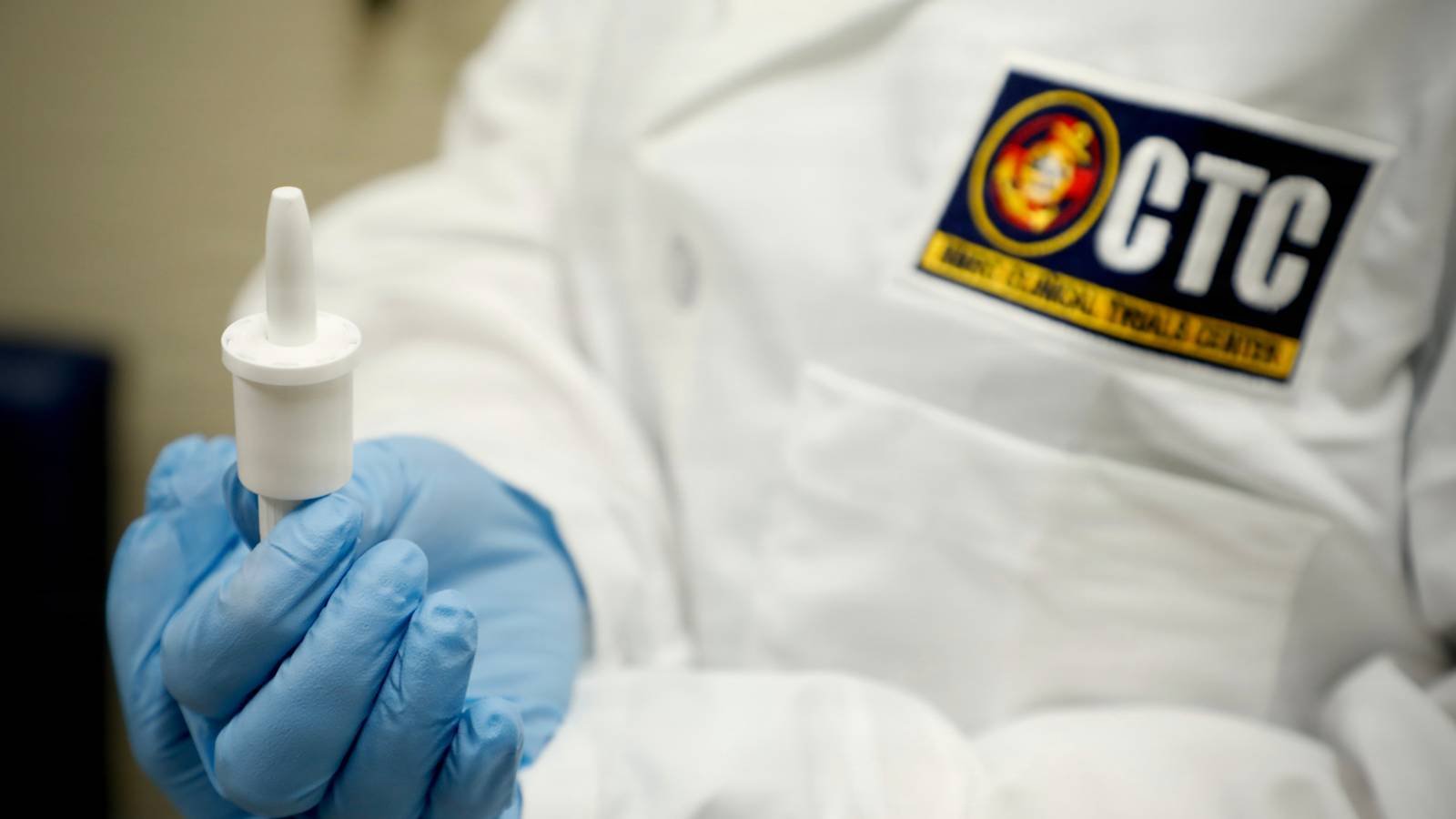
A new bipartisan bill would invest $25 million in technology to help the Department of Veterans Affairs (VA) diagnose certain respiratory illnesses in military veterans.
The Advanced Imaging for Respiratory Care, Assessment and Research Excellence for Vets Act, or AIR CARE for Vets Act, was introduced last week by Reps. Chris Pappas (D-N.H.) and Juan Ciscomani (R-Ariz.) to invest federal funds in specialized imaging software that uses 4D lung scans to help diagnose conditions such as asthma, lung cancer and obstructive pulmonary disease (COPD).
Ciscomani said in a statement that the technology would “save lives by detecting problems like lung cancer earlier.”
The lawmakers said the technology, which they did not name, was more sensitive to changes in lung function and was able to detect specific abnormalities that current technologies cannot detect.
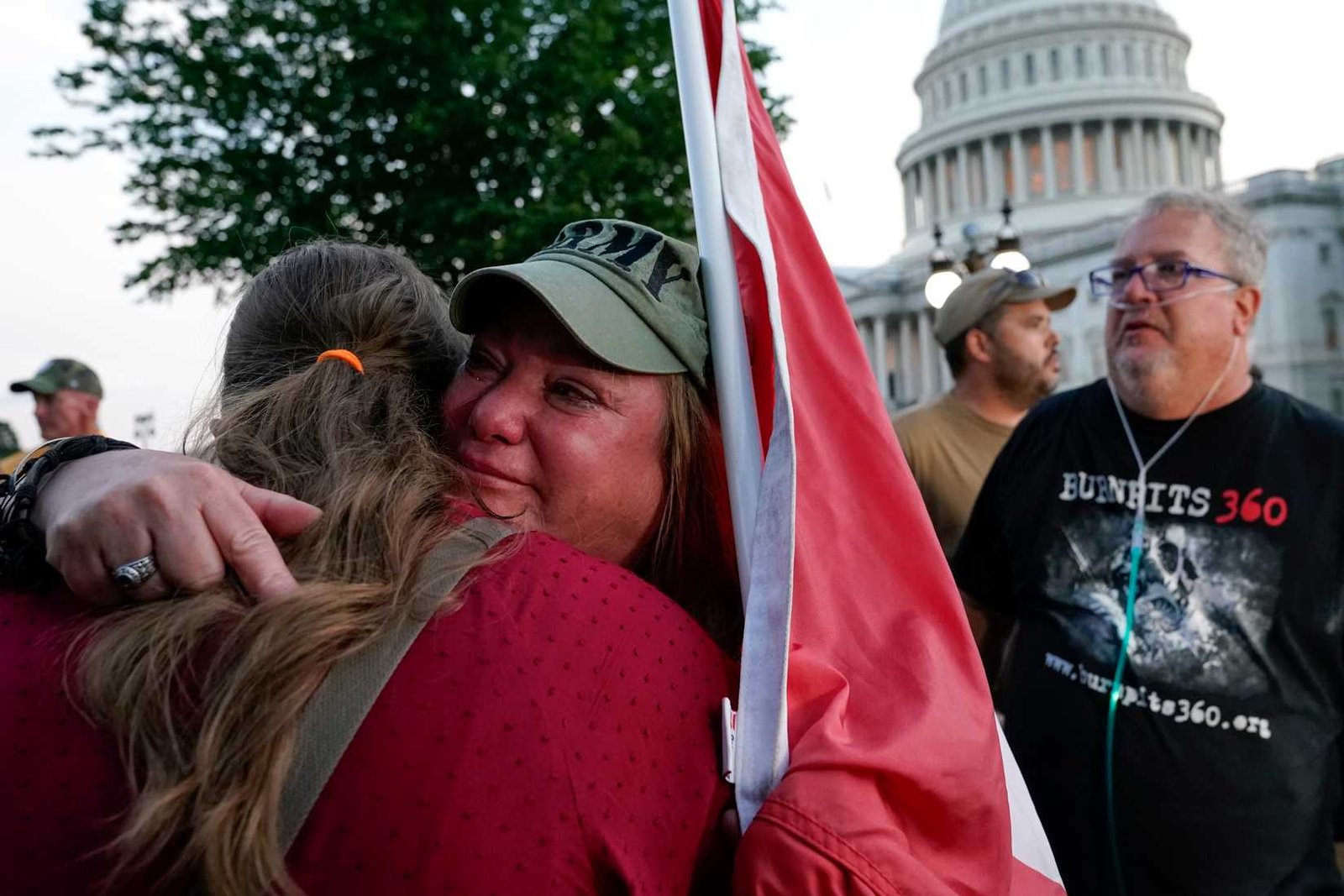
Kimberly Hughes, second from left, widow of U.S. Army Reserve Maj. Gary Hughes, hugs a supporter after a news conference after the Senate passed a bill aimed at helping millions of veterans who were exposed to toxic substances during their military service, on Capitol Hill in Washington, Tuesday, Aug. 2, 2022. (AP Photo/Patrick Semansky)
“Our nation’s heroes deserve access to quality health care, including the most advanced technology to optimally diagnose service-connected illnesses,” Ciscomani said. “That’s what the AIR CARE for Vets Act is all about.”
“The men and women who have sacrificed so much for our country deserve the assurance that they are receiving the best possible care at all stages, starting with the quality assessment of their symptoms,” he added.
Table of Contents
Veterans Respiratory Health
This new bill was introduced amid increasing concerns in recent years about veterans’ suffering from combat-related respiratory illnesses.
In 2022, Congress passed the PACT Act, which increased VA benefits and health care not only for Gulf War and post-9/11 veterans who were exposed to burn pits, but also for Vietnam-era veterans who developed respiratory illnesses related to military service.
Lung Health Day is held on the fourth Wednesday of October as part of Respiratory Care Week to highlight the importance of lung health. (US Navy photo illustration by Kaylon J. Chladek)
On March 5, 2024, the VA expanded the scope of the PACT Act, giving more veterans the opportunity to apply for benefits.
According to a November 2025 VA study, veterans who served in Iraq and Afghanistan had a 55% higher risk of developing asthma from dust and burn pit exposure than veterans who were not deployed to those countries.
How the bill would be put into action
Lawmakers said in introducing the bill that current diagnostic options are “limited by standard testing procedures involving whole-lung assessments” and may be “less sensitive to changes in lung function that occur in the early stages of disease or when abnormalities are limited to a specific region.”
Standard testing procedures such as lung biopsy are often both painful and invasive, they added.
“We owe everything to our veterans, and they deserve access to world-class health care both during and after their service,” Pappas said in a statement.
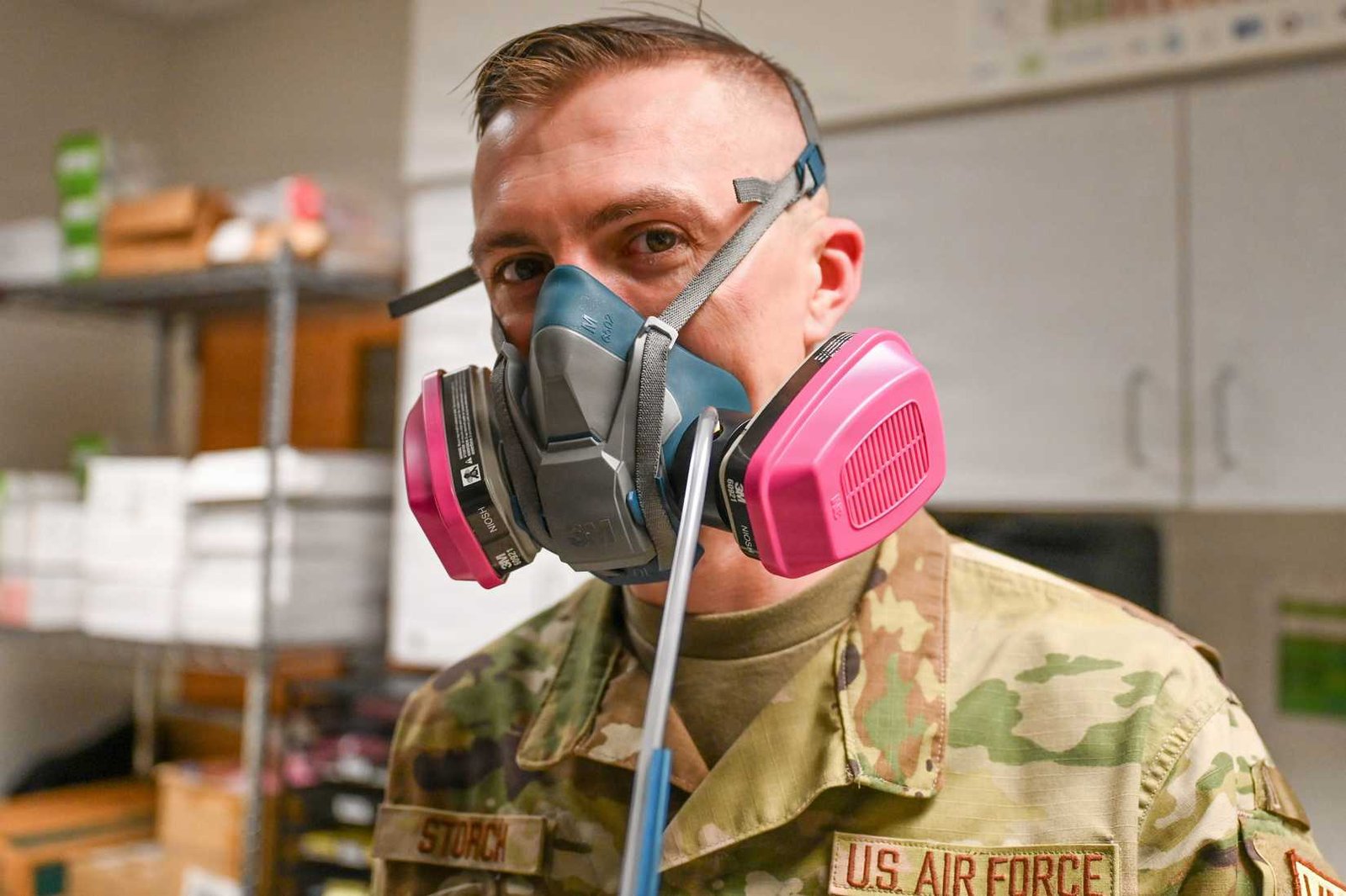
U.S. Air Force Staff Sgt. Zachary Storch poses for a portrait while participating in a gas mask seal test during the annual rapid medical readiness event at Pease Air National Guard Base, New Hampshire, June 5, 2026. (U.S. Air National Guard photo by Staff Sgt. Elliot Boutin)
The proposed House legislation would direct the VA to establish a five-year pilot program to test this technology with a budget of $5 million per year for fiscal years 2027 to 2031. This corresponds to a total project cost of approximately US$25 million.
“For over a decade, I have waged a different kind of war in waiting rooms, courtrooms and the halls of Congress,” added Capt. Le Roy Torres, a retired Army veteran, in a statement about the bill. “I wore two uniforms, one for my state and one for my country, and when I came home sick I was met with doubt and rejection.
“These are not minor ailments. They are devastating, progressive and deadly. Being credible is not a privilege, it is a right. Every veteran has the right to know what is happening in their lungs.”
If passed in the House and Senate, the bill would also require the VA secretary to submit a report to Congress on the technology’s effectiveness.
https://www.military.com/bill-pushes-25m-4d-software-veterans-respiratory-health
