

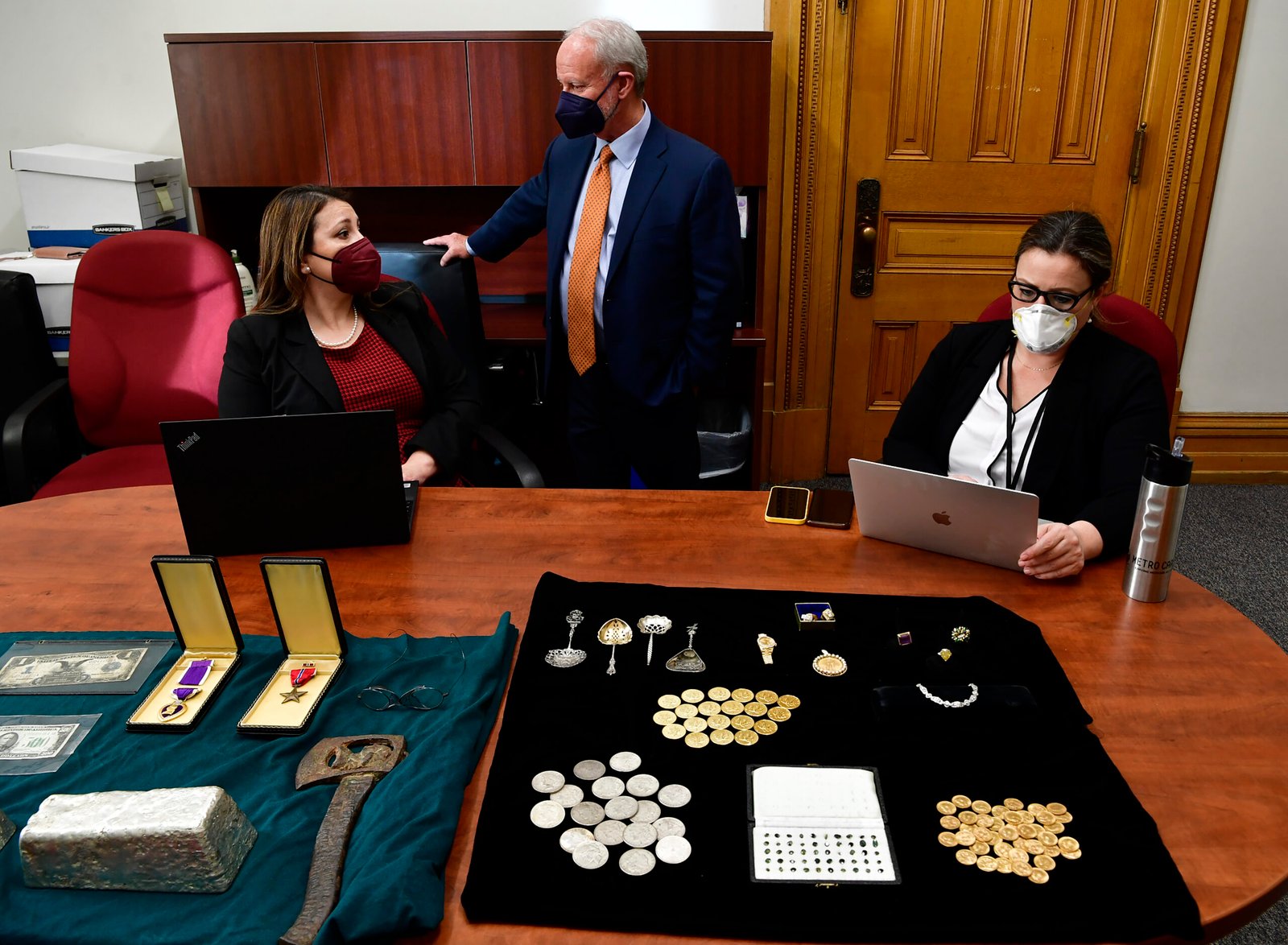
Colorado calls its unclaimed property program the Great Colorado Payback. But on June 30, it started to look like the Great Colorado Takeaway.
That day, the state treasurer transferred $75 million from the unclaimed property trust fund, including $72.8 million to the general fund and $2.2 million to a housing grant fund. This money does not represent tax revenue and was not intended to fund the government.
It comes from forgotten bank accounts, dishonored checks, insurance proceeds, utility refunds, stock payments and other property belonging to people that Colorado has not found. The owners of this money do not lose their rights. Colorado says the money is always theirs and can be reclaimed at any time.
But the state gets to use it first.
How practical.
Colorado has up to $2.5 billion worth of unclaimed property. Officials estimate that about one in seven Coloradans could find themselves waiting for money.
The state deserves credit for refunding the money through the annual Great Colorado Payback. But the withdrawal of $75 million from the trust fund highlights the system’s backward incentives.
The agreement gives Colorado a financial advantage if the money goes unclaimed. Owners need to know the database exists. You have to search for the correct spelling, recognize an old address, submit documents and wait.
If the owner is deceased, heirs may need death certificates, probate documents and evidence linking a relative to an address from years ago. Many people never know that the money exists. Others give up. The state continues to use it.
Colorado insists it is just the custodian. Fine. A manager’s job is to protect and return property, not to view it as a practical household reserve.
Lawmakers were struggling with a tight budget and saw a large pot of money. They reached for it. That may be legal. It’s still a bad habit.
Every dollar transferred to the General Fund is a dollar that the state can spend before tracking down the person who owns it. Colorado should reverse the incentive.
Before lawmakers tap the fund again, they should require the Treasury Department to make far more aggressive efforts to identify owners and automatically return straightforward claims. Colorado already has tax records, motor vehicle records, business records and other government data. This information is used when residents owe something to the government. It should use the same force when the state owes it.
If the name, address and government records clearly match, send the check by mail. No search. No claim. No scavenger hunt through old paperwork. Start with smaller claims from individual owners. Expand the program as fraud protection proves effective.
Complicated estates and disputed accounts still require documentation. Fraudsters must be stopped. But these exemptions are no excuse for forcing anyone to chase money that Colorado can identify with certainty. The state should also release clear annual figures showing how much unclaimed property is received, how much is returned, how much is transferred elsewhere, and how long the money stays.
Coloradans deserve to know whether the Great Colorado Payback is intended primarily to pay back or help them balance the books. On June 30, Colorado transferred $75 million from a fund filled with other people’s money.
The claims remain. This also applies to the pressure to find the owners.
Before Colorado takes another dollar out of the payback fund, it should do a much better job of repaying people.
Mark Lewyn is the founder of UnclaimedMoneyGuy.com and a former BusinessWeek and USA Today’s Money contributor. He can be reached at mark@unclaimedmoneyguy.com.
Subscribe to Sound Off to receive a weekly roundup of our columns, editorials and more.
To submit a letter to the editor about this article, submit it online or see our email or postal submission guidelines.
https://www.denverpost.com/2026/07/29/colorado-lawmakers-unclaimed-money/
