

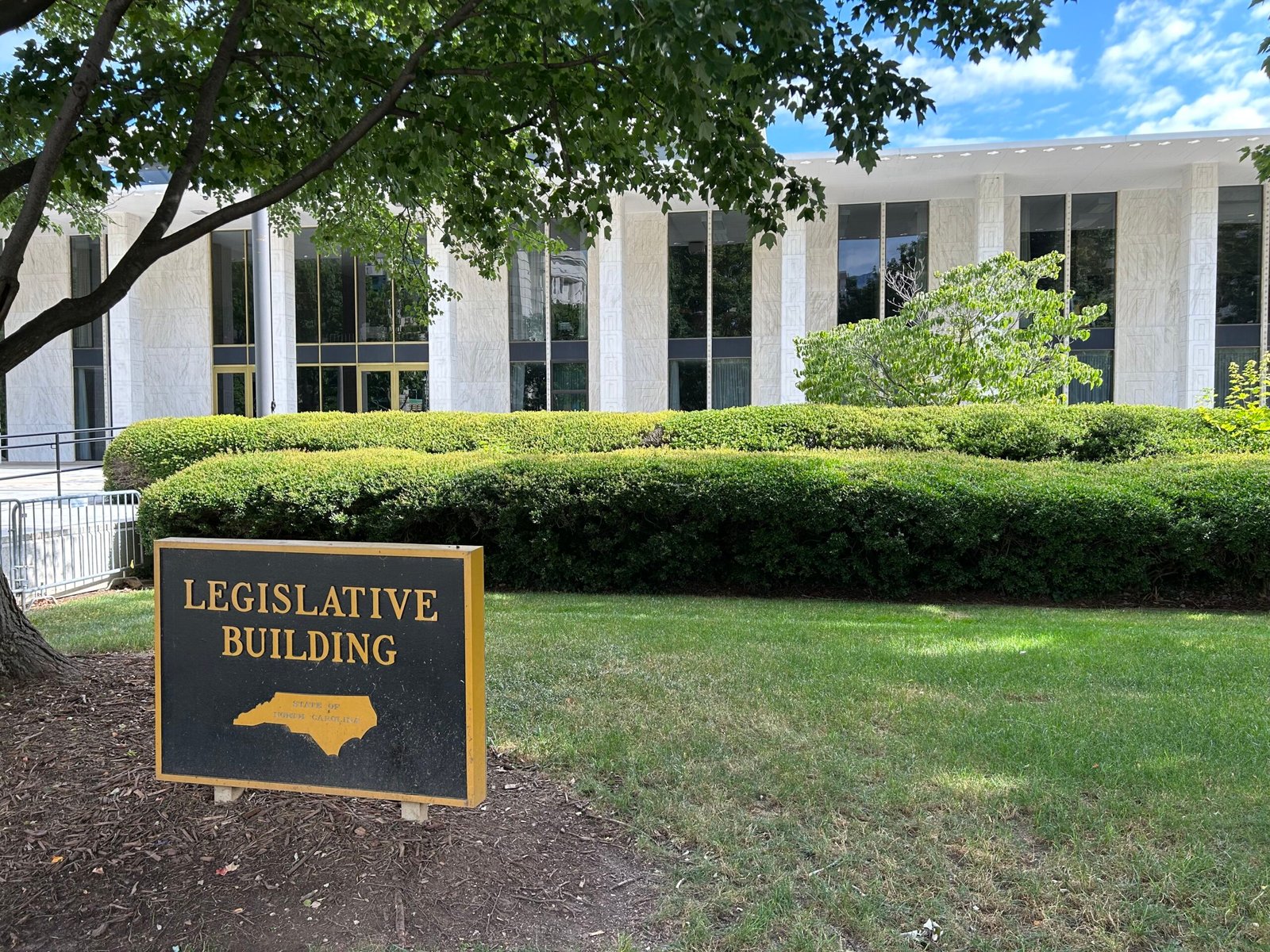
North Carolina lawmakers are using the new state budget to consider possible changes to the state’s fireworks regulations, education, health care, firefighter safety and motorsports industry.
Instead of immediately changing state laws, the General Assembly included studies on each topic in the budget. Historically, legislative changes are often preceded by studies that give the public insight into what lawmakers are thinking about for future sessions.
During a July 14 appearance on The Pete Kaliner Show, Bob Luebke, director of the John Locke Foundation’s Center for Effective Education, described the education-related provisions as “small but significant changes” that could benefit educational freedom advocates.
Table of Contents
Fireworks
Section 8.24.(a) of Senate Bill 257 directs the North Carolina Collaboratory at the University of North Carolina at Chapel Hill to study issues related to the regulation of fireworks and to consider whether the categories of fireworks permitted for sale, transportation, possession, and use in the state should be expanded.
As part of the study, the collaboration must examine how an expansion could affect public safety and emergency services. There is also a need to examine the feasibility and potential structure of a licensing and permitting system for businesses wishing to sell fireworks.
The study must address consumer safety, local government agencies, economic and fiscal impacts, potential funding mechanisms for public safety and education using tax revenues, comparisons with other states, and any other topics the collaboration deems relevant. The final report is due by July 4, 2027.
Open Enrollment
Section 8.23.(a) directs the Collaborative to study how local school administrative units could allow students to attend any school in the district in which they live rather than limiting them to their assigned base school.
The study must examine existing voluntary open enrollment plans and consider enrollment deadlines, application procedures, school capacity, transportation options, reasons for declining an application, and possible appeal processes.
During a recent open enrollment initiative, Luebke said that open enrollment “increases access to highly rated schools or districts, improves academic outcomes such as test scores and graduation rates, promotes district improvement, and even helps encourage students to attend rural districts.”
“Research points to the many benefits that open enrollment brings not only to students but also to institutions,” Lübke said.
“Study Financing Formula” working group.
The budget includes $300,000 to establish a task force tasked with developing a strategy to transition North Carolina from its current allocation-based school funding system to a weighted student funding model for kindergarten through 12th grade.
The group will consider combining non-instructional, project-based, resource-based and need-based funding into clearer per-student categories. It will also examine whether to replace teacher position allocations with dollar amounts based on average daily membership, improve accountability for state education spending, and determine which state agency should distribute funds to local school districts.
Luebke said the change would move the state “in a much more desirable direction” because it would “tie funding to students” and improve transparency and accountability.
He added that reform is more likely now that lawmakers from both parties recognize problems with the current system and many districts face declining enrollment.
Healthcare costs
The budget directs the North Carolina Collaboratory to study rising health care costs across the state and identify the factors driving these increases. The study will also examine cost-cutting strategies and compare North Carolina’s approach to efforts underway in other states.
The report, due April 1, 2027, must assess the measures already taken to control health care costs and recommend additional measures. The results will also feed into a separate health care cost study scheduled to be completed in 2028.
Fire protection
As part of the Firefighter Protection Act, the General Assembly appropriated $15 million to study and address firefighters’ exposure to per- and polyfluoroalkyl substances, commonly known as PFAS.
The initiative includes testing groundwater near fire stations, testing drinking water wells at firehouses, and studying PFAS levels and possible health effects among firefighters. Funds may also be used to provide temporary water supplies, install longer-term filtration systems and establish a program to deep clean protective equipment to reduce exposure.
Motorsport industry
Section 11.10 provides $400,000 to the Sanford Holshouser Business Development Group to update its 2004 study, “Motorsports – An At-Risk Growth Industry in North Carolina.”
The study will examine the health and economic potential of North Carolina’s motorsports industry, including opportunities to attract professional, sports and club racing events. Research and development, manufacturing and testing facilities for motorsports will also be reviewed.
The group, in consultation with the Department of Commerce, must submit its report to the legislative oversight committees and the Tax Research Division by April 15, 2027.
https://www.carolinajournal.com/new-nc-budget-includes-money-for-multiple-studies/
