In the wonderful picture book “Snow,” a boy looks out the window at a dreary, gray city and is happy to see a few snowflakes falling. Meanwhile, the adults around him insist on dampening his spirit.
“It’s snowing!” shouts the boy. “It’s going to melt,” says a grumpy woman. “No snow,” say the forecasters on television and radio. But the snowflakes keep falling. Soon the boy and his dog are dancing through the streets of the bright white city.
I was recently reminded of this story while collecting signatures for the Graduate Income Tax ballot initiative. This Initiative #195 would lower the state income tax for the 97% of Coloradans who earn less than $500,000 per year and increase it for the wealthiest 3% who earn more than $500,000 per year. The estimated $2 billion to $2.7 billion would help fund education, health care and child care — and strengthen Colorado’s economy by creating a more stable and productive workforce.
Almost everyone I contacted was eager to sign the petition to put this initiative on the November ballot, especially when they learned that most states already have a graduated income tax. Many call their friends to sign.
One woman signed the petition and then remarked, “It will never go away,” which sounded exactly like the “It will melt” woman in “Snow.” “The ultra-rich will be against it,” she said darkly, “and big money always wins.”
Recent elections, including two big ones in Colorado, have proven this woman wrong. The collective power of ordinary people can overcome the power of money.
Last month, Melat Kiros defeated 15-term U.S. Rep. Diana DeGette by a stunning 13 points in the Democratic primary for Colorado’s 1st Congressional District, even though DeGette spent twice as much money on her campaign and outside groups supporting DeGette spent four times as much as those supporting Kiros.
Kiros’ victory is attributed to the energy and passion of her grassroots supporters, largely Millennials and Generation Zers, who were inspired by her bold commitment to transformative change. Her top four priorities are Medicare for All, ending all wars, abolishing ICE, and universal child care and elder care.
The key to winning the election is not only convincing every single person who hears your ad or reads your mailer to vote for you, but also inspiring people to be so inspired by your campaign that they encourage people in their personal networks to vote for you. It is also crucial to have a political vision that gets people to actively support your campaign.
More and more candidates like Kiros are taking bold stances that stand up for everyday Americans against corporate greed and warfare while refusing to accept money from corporate PACs. These candidates are mobilizing the grassroots support needed to overcome the mountains of money being spent to defeat them.
In the Colorado Democratic primary for governor, Weiser won despite a charter school super PAC raising $11 million for his opponent, Michael Bennet. More than half of that money came from billionaires and their partners. A pro-Weiser PAC raised an eighth of that amount, with more than 90% coming from individual Coloradans. Despite Weiser’s great financial disadvantage, a strong network of local campaign workers helped Weiser secure a decisive 13-point victory over Bennet.
The opposition to money in politics is so widespread that accepting PAC money from corporations backfires. Campaigns run on dark money can afford many slick prime-time mailers and attack ads, but the influx of such dark money turns off many voters.
New York billionaire Michael Bloomberg poured more than $5.1 million into the super PAC backing Bennet. This enormous donation raised alarm among many voters. They wondered why Bloomberg threw his weight in this primary and what he expected in return.
Three in four Americans agree that too much money is polluting our politics. People are outraged that big corporations and billionaires pour obscene amounts of money into political campaigns and then expect those politicians to do their bidding. They are tired of elected officials serving the interests of their donors instead of their constituents.
Here are a few things you can do: Call on our senators to oppose the CLARITY Act. The crypto industry has poured more money into the 2026 elections than any other industry. This bill would give cryptocurrency the green light to continue its political bribery machine.
Find out which candidates are supported by dark money super PACs, such as those funded by the crypto or artificial intelligence industries. Volunteer to help candidates who turn down company money.
Challenge the cynical view that if we spend too much we are doomed. Snowflakes can change a landscape. Ordinary people can overwhelm wads of cash. But we can only do that if we hold on to the idea that it is possible. From the Montgomery bus boycott to the recent election, our history is full of examples of how the many can defeat money.
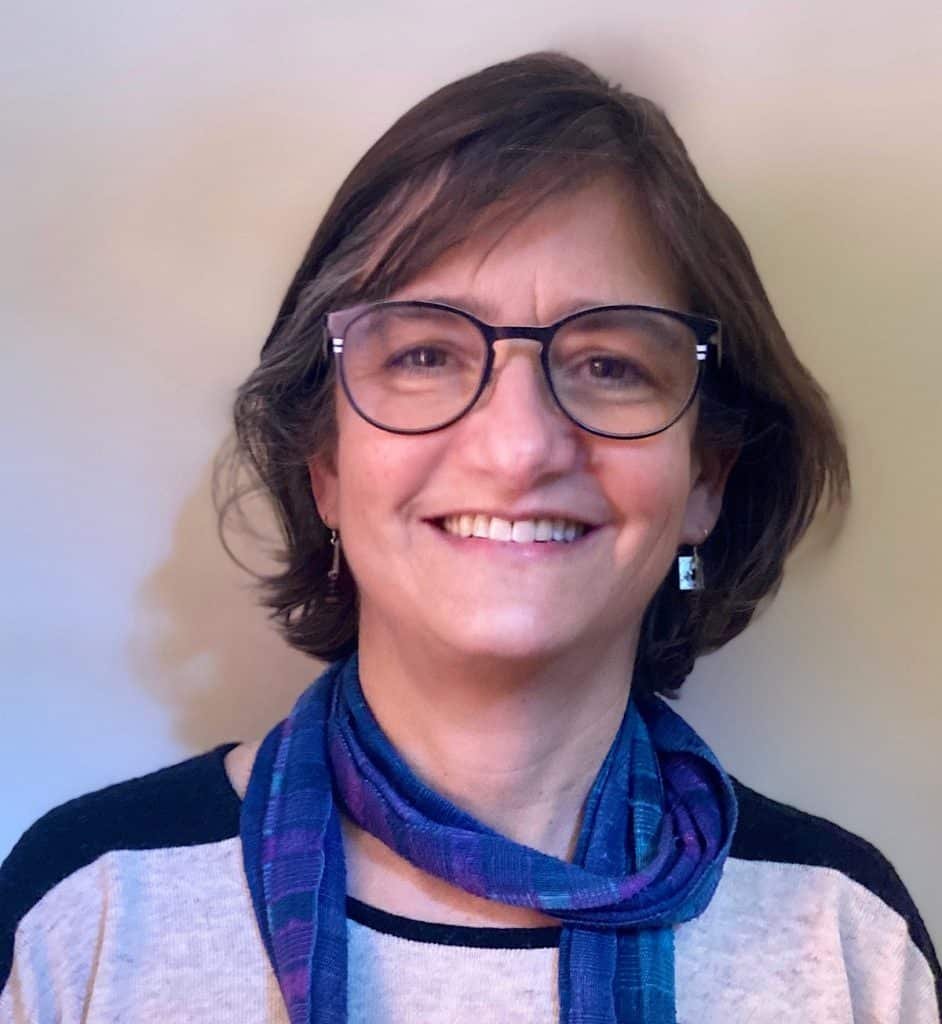
Debbie Stone Bruell of Carbondale is co-founder of Mountain Action Indivisible, former chair of the Garfield County Democrats and former member of the Roaring Fork Schools Board of Education.
https://www.postindependent.com/opinion/bruell-column-the-many-can-defeat-the-money/
