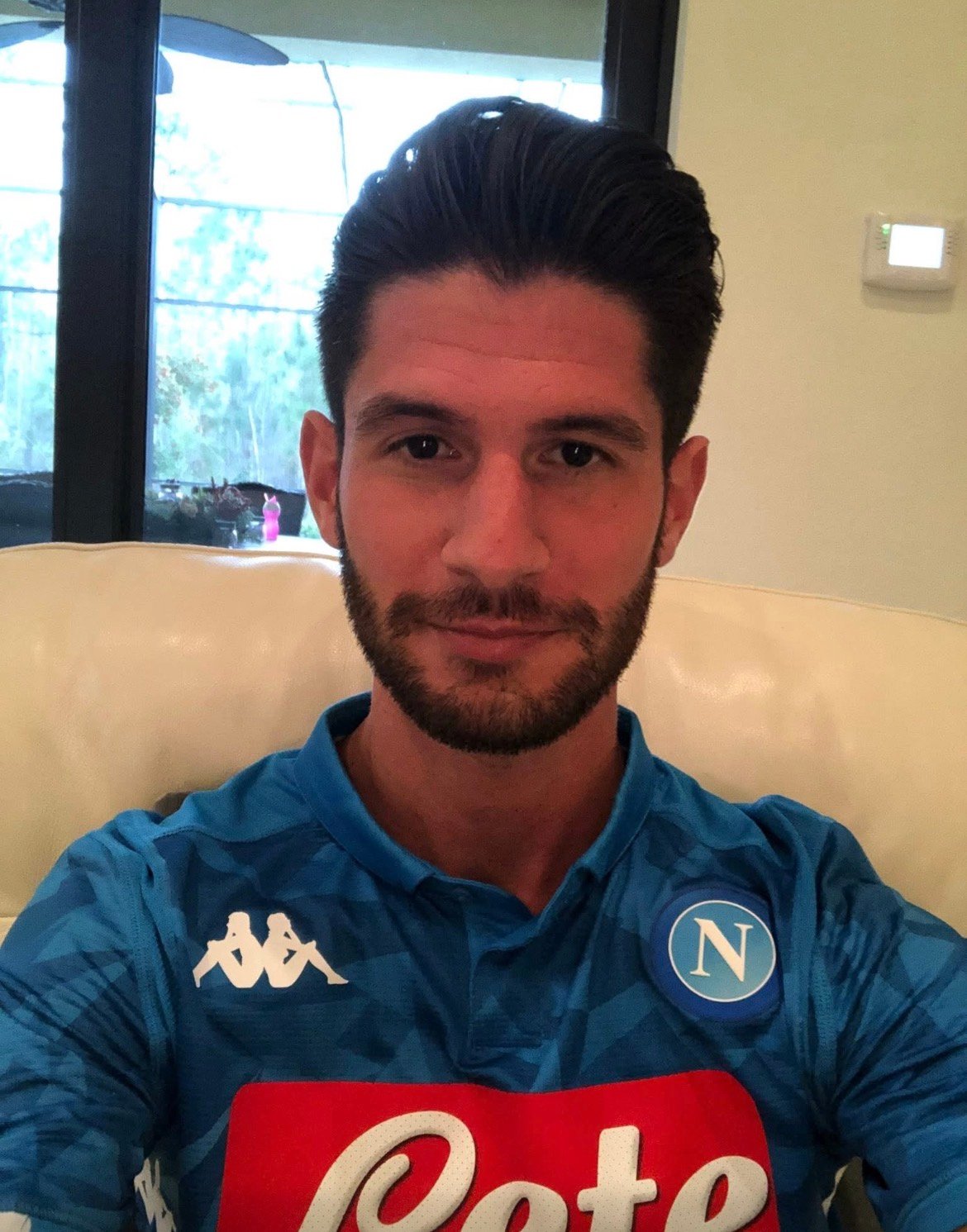
We were lucky enough to connect with Zachary Golba and we’ve shared our conversation below.
Hi Zachary, is your company focused on helping the community? If yes, how?
The social impact of my work is based on trust.
In recent years, it seems as if almost everyone knows someone whose information was exposed in a data breach, whose account was hacked, or who was the victim of identity theft. My own family has experienced the fear that comes with discovering personal information online and freezing accounts, monitoring credit reports, and worrying about what might happen next.
As a software engineer, I have spent more than a decade developing technology for organizations ranging from startups to nationally recognized nonprofits. Over time, I’ve become increasingly focused on a simple question: How do we make software safer for the people who rely on it every day?
This question led me to start working on Via, an open source project designed to help engineers build web applications that are more secure, reliable, and trustworthy. Most people don’t think about the software running behind their bank account, their healthcare provider, or their favorite website until something goes wrong. My goal is to help make these mistakes less likely by fostering a stronger foundation from the start.
I believe that technology should protect people, not create new risks for them. Whether it’s protecting personal information, preventing costly mistakes, or helping companies handle data responsibly, even small improvements in security can have a significant impact on people’s lives.
The work can be very technical, but the motivation is very human. Ultimately, I’m trying to contribute to a future where people can use technology with greater confidence, knowing that their information and privacy will be treated with the care they deserve.
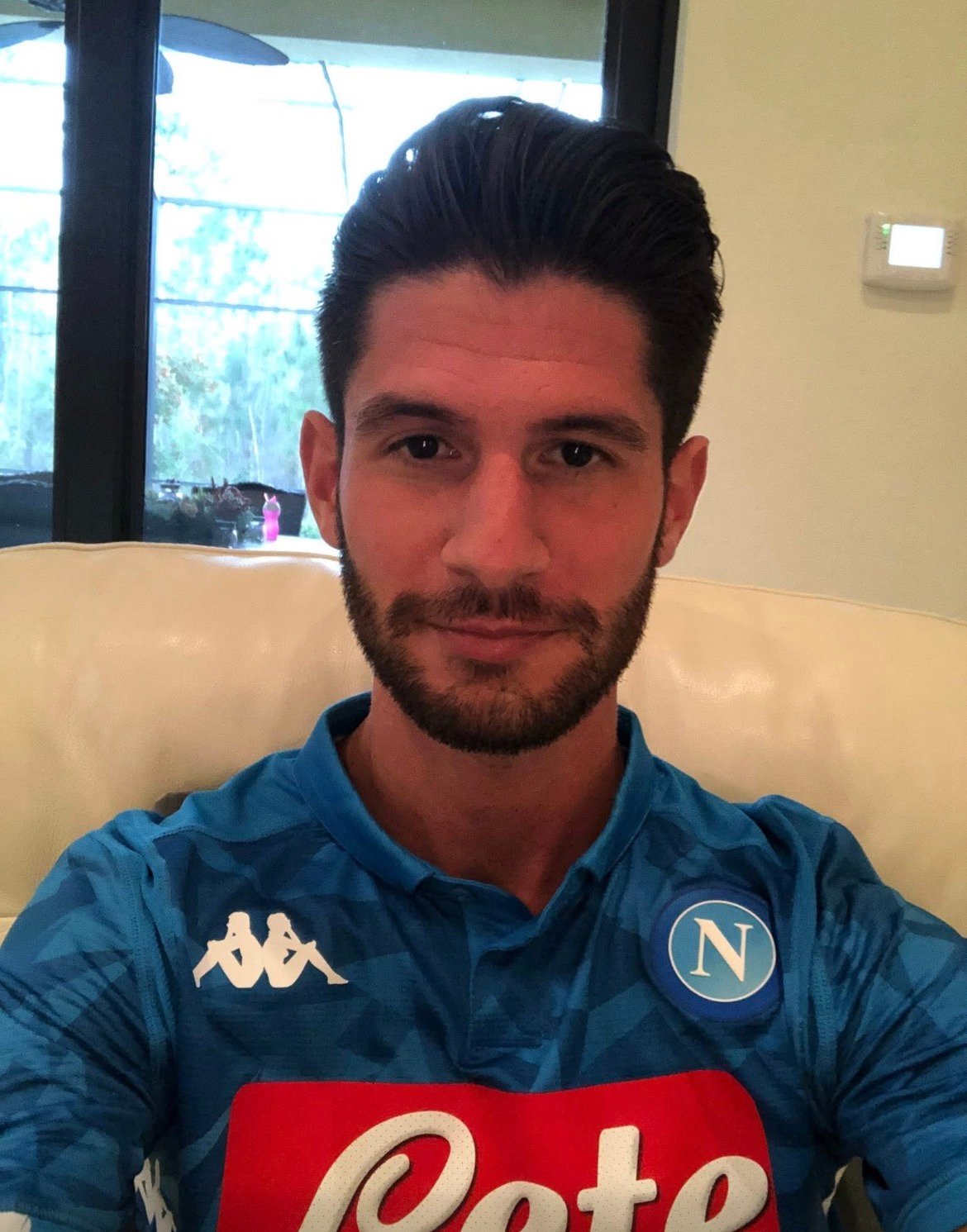
Okay, so let’s get to what keeps you busy professionally?
I didn’t take a traditional path into software development.
Growing up in New Castle, Pennsylvania, I was always interested in building things and finding ways to make money. One of my first jobs was collecting trash for people in my neighborhood when I was eight years old. I later discovered music and started DJing at the age of twelve. By the time I was fifteen, I was performing at parties, weddings, and events all over the area. For a long time I thought music was my job.
Everything changed when my dad and I started working on an idea for an app called Stotle. The goal was to create a platform where people could connect with experts and get trustworthy answers on a wide range of topics. The project never got started, but it triggered something in me. I was fascinated by software engineering and spent countless days and nights teaching myself how to build software. I read documentation, watched tutorials, studied programming concepts, and learned by doing.
What started as a side project eventually became the portfolio that launched my career. Over the last decade, I have had the opportunity to work as a software developer on projects for organizations such as the Obama Foundation, Audubon, and Bookshop.org. I learned that technology is not just about making products. It’s about solving problems for real people.
What sets me apart is my focus on reliability, simplicity and security. In a world where data breaches and cyberattacks seem to happen every day, I’m increasingly interested in how we can build software that people can trust. That’s one of the reasons I became interested in Rust, which has become my favorite programming language because it encourages engineers to write safer and more reliable systems.
Today I’m focusing primarily on Via, an open source project designed to help engineers build highly reliable web applications. My goal is to make secure software easier to build and more accessible to the people who create the technology we rely on every day.
If there’s one lesson I’ve learned throughout my career, it’s that you don’t need a perfect plan to get started. The project that launched my career never became a business. What mattered was the willingness to learn, keep going and follow my curiosity. Sometimes what you build doesn’t become a success story. Sometimes building it changes you, and that’s what opens the door to whatever comes next.
If a friend were to visit you, what places in the area would you like to take them to?
As a former DJ, I’m probably biased, but I would start with Miami’s music scene. Some of my fondest memories include discovering new venues, listening to great electronic music, and experiencing the energy that makes Miami unique.
Beyond the nightlife, I want visitors to experience the contrasts of the city. In one day you could walk around Wynwood and check out the street art, local cafes and creative spaces. Another day would be spent near the water, be it South Beach or Key Biscayne, or just enjoying the city views.
I also firmly believe that some of the best experiences come from hiking and not from following a strict itinerary. Miami is full of interesting neighborhoods, hidden restaurants, and unexpected conversations.
Food would definitely be part of the trip. Miami’s mix of cultures creates an incredible culinary scene, and some of my fondest memories come from discovering small local spots rather than famous destinations.
What I love most about Miami is that it attracts people from all over the world. On any given day you can meet entrepreneurs, artists, musicians, engineers and people with ambitious ideas. As someone who enjoys both technology and creativity, I have always found this combination inspiring.
The Shoutout series is about recognizing that our success and position in life is due, at least in part, to the efforts, support, mentorship, love and encouragement of others. So is there anyone you would like to dedicate your shoutout to?
My biggest thanks go to my father.
Years ago, he came to me with an idea for an app called Stotle, a platform that would connect people with experts who could provide trusted answers and insights. We worked countless hours together on the project. Although the app never launched, it ultimately changed the direction of my life.
Back then, I had no background in software development. Building Stotle pushed me to learn everything I could. I spent days and nights reading documentation, watching tutorials, studying programming concepts, and solving problems one at a time. The project became my classroom.
While Stotle itself never became a company, it became the portfolio that launched my career. The skills I developed while working helped me land my first job as an engineer and ultimately led to more than a decade of experience developing software for organizations ranging from startups to nationally recognized nonprofits.
My father encouraged me to pursue an idea that seemed far beyond my abilities at the time. Looking back, that encouragement made all the difference. Sometimes the most important thing someone can give you is the confidence to try something difficult before you’re sure you’re ready.
Website:
Linkedin:
Photo credits
The pictures belong to me
Nominate someone: ShoutoutMiami is based on recommendations and shoutouts from the community; This is how we discover hidden treasures. If you or someone you know deserves recognition, please let us know here.
https://shoutoutmiami.com/meet-zachary-golba-senior-software-engineer-creator-of-via/
