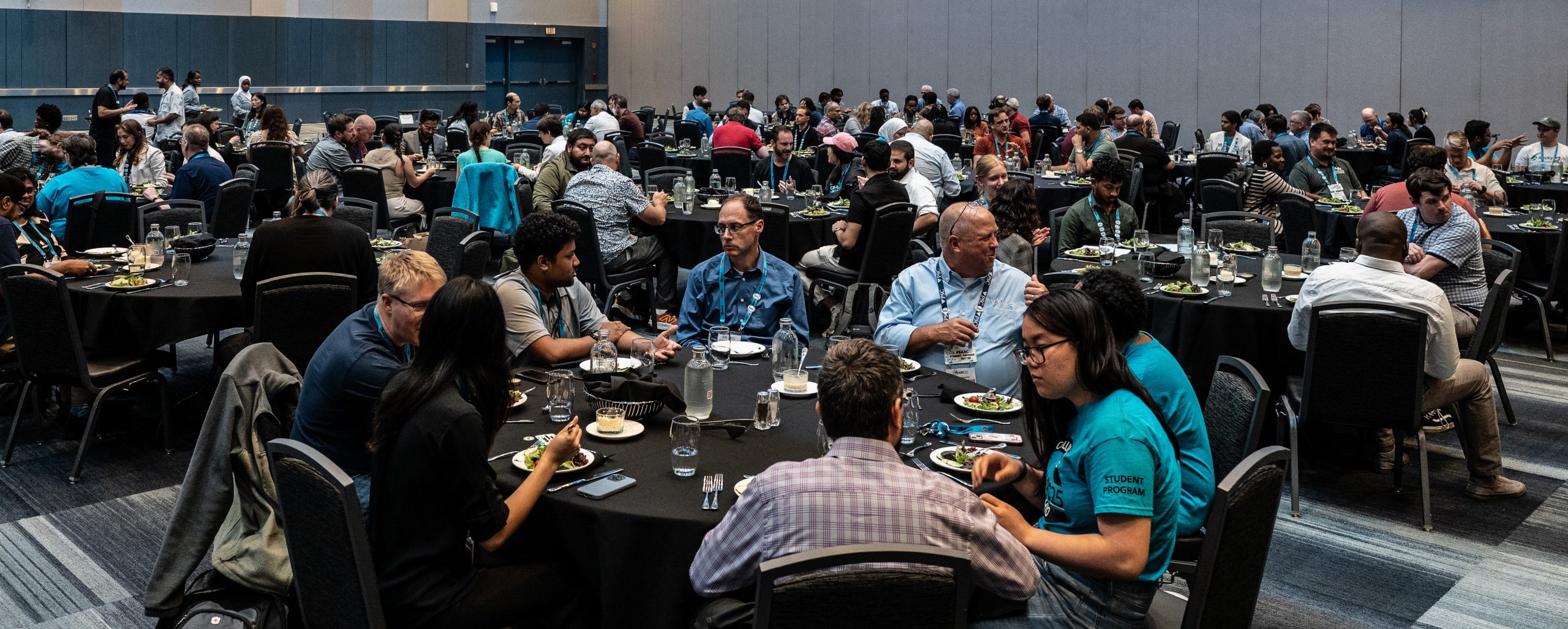
When ACM PEARC26 takes place at the Minneapolis Convention Center from July 26th to 30th, there will be two firsts. The conference series, which began in 2017 as PEARC17 and has been sponsored by ACM and its advocacy groups SIGHPC and SIGAPP since PEARC20, is celebrating its tenth edition with a record-breaking number of participants of over 1,000. And for the first time, the program will include a dedicated technical track for Research Software Engineering (RSE): “Research Software Engineering: People, Practice, and Impact.”
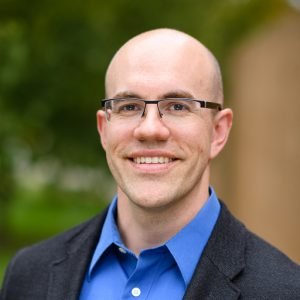
Ian Cosden, senior director of Research Software Engineering at Princeton University and co-chair of the Research Software Engineer Track for PEARC26
The new specialty track, whose papers will be published in the ACM Proceedings alongside the conference’s Systems, Applications, and Workforce Development tracks, is co-led by Ian Cosden, Sr. Director of Research Software Engineering at Princeton University, and Pengyin Shan, Senior Research Software Engineer at the National Center for Supercomputing Applications (NCSA) at the University of Illinois Urbana-Champaign.
“Research software engineering is one of the fastest growing areas within research computing organizations and the PEARC community. It leverages proven software engineering practices and research methodologies to develop tools, workflows, and platforms that enable and accelerate scientific discovery” – Ian Cosden
Table of Contents
Research runs on software
The US RSE Association broadly defines research software engineers as “those who regularly use programming skills to advance research.” This covers a wide spectrum: researchers who spend much of their time writing code, full-time software developers building tools for science, and everything in between. What unites them is the work of transforming research methods into robust, reproducible and sustainable software: scientific research products that outlast any single publication or grant. The difference to conventional software engineering lies less in the code than in the context: requirements arise from a scientific question and success is measured by the research it enables.
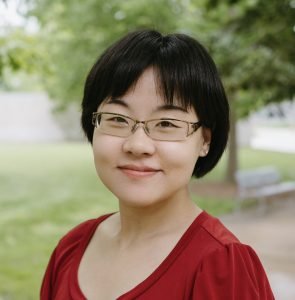
Pengyin Shan, senior research software engineer at the National Center for Supercomputing Applications (NCSA) and co-chair of the Research Software Engineer Track for PEARC26
This work includes computer and data science, visualization tools, cybersecurity, metadata management, authentication systems, and scientific gateways; it occurs in and impacts all scientific disciplines; and it runs on everything from national supercomputers to laptops and Raspberry Pis. A growing part of this is focused on making HPC accessible to non-experts so that researchers don’t have to learn Fortran or Linux before they can do useful work on a cluster.
“We deliberately chose the theme of the track: People, because RSE experts represent both the story and the code; Practice, because we share how the work is actually done; and Impact, because we want to show the science that made the software possible.” – Pengyin Shan
What the track offers
Both full and short contributions were submitted for the first RSE track. The accepted papers were presented throughout the conference week and the final presentation materials were shared openly via the PEARC26 community on Zenodo. Topics range from software practices, career paths, team models and the tools that make research software sustainable. Additionally, the track includes an invited talk from Daniel S. Katz, Chief Scientist at NCSA, who will present “Community Activities to Advance Research Software” on Tuesday, July 28.
“Many aspects of research software engineering require collaborative activities; I will discuss this and how people work together to solve some of the challenges in the field” – Daniel S. Katz
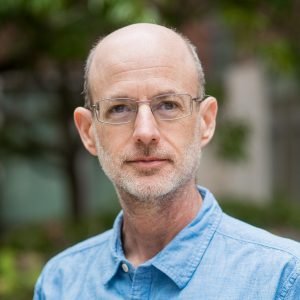
Daniel S. Katz, chief scientist at National Center for Supercomputing Applications (NSCA)
A Thursday finale for RSE
The RSE track will accompany the final day of the conference. On Thursday, July 30, a panel moderated by Pengyin Shan and Patrick Schmitz will bring together speakers from across RSE:
- Sandra Gesing, US-RSE / San Diego Supercomputer Center
- Kenton McHenry, National Center for Supercomputing Applications
- Blake Joyce, BioTeam
- Suzanne Prentice, Oak Ridge National Laboratory
The panel will examine where the RSE profession is and where it is going, including career paths, institutional models and the evolving relationship between research software and an increasingly AI-driven computing landscape. The final day will be the PEARC Tenth Anniversary Plenary, bringing together the chairs of all ten PEARC conferences. This is a fitting combination of a look back at the community’s roots and a look ahead to one of its fastest-growing professions.
Part of something bigger
The RSE track reaches a milestone for the conference itself. Registration for PEARC26 has passed the 900 mark, making the series surpass the 1,000 participant mark for the first time in its history. Under the theme “Resilient Roots, Empowered Communities,” the technical program, designed by technical program co-chairs Gladys Andino (University of Virginia) and Weronika Filinger (EPCC, University of Edinburgh), covers AI and agent systems, HPC operations, workforce development, quantum computing and advanced networks.
For research software engineers, however, PEARC26 will be remembered as the first year to recognize research informatics experts who develop the software on which the research is based.
Post-registration for PEARC26 remains open; For details, see pearc.acm.org/pearc26.
About the author: Pengyin Shan is a senior research software engineer at the National Center for Supercomputing Applications (NCSA) and co-chair of the research software engineer track for PEARC26.
https://www.hpcwire.com/2026/07/24/a-home-of-their-own-pearc26-debuts-a-dedicated-research-software-engineering-special-track/
